
Geology Masterclass Blog
Explanations, background, and advice for curious students.
Latest articles
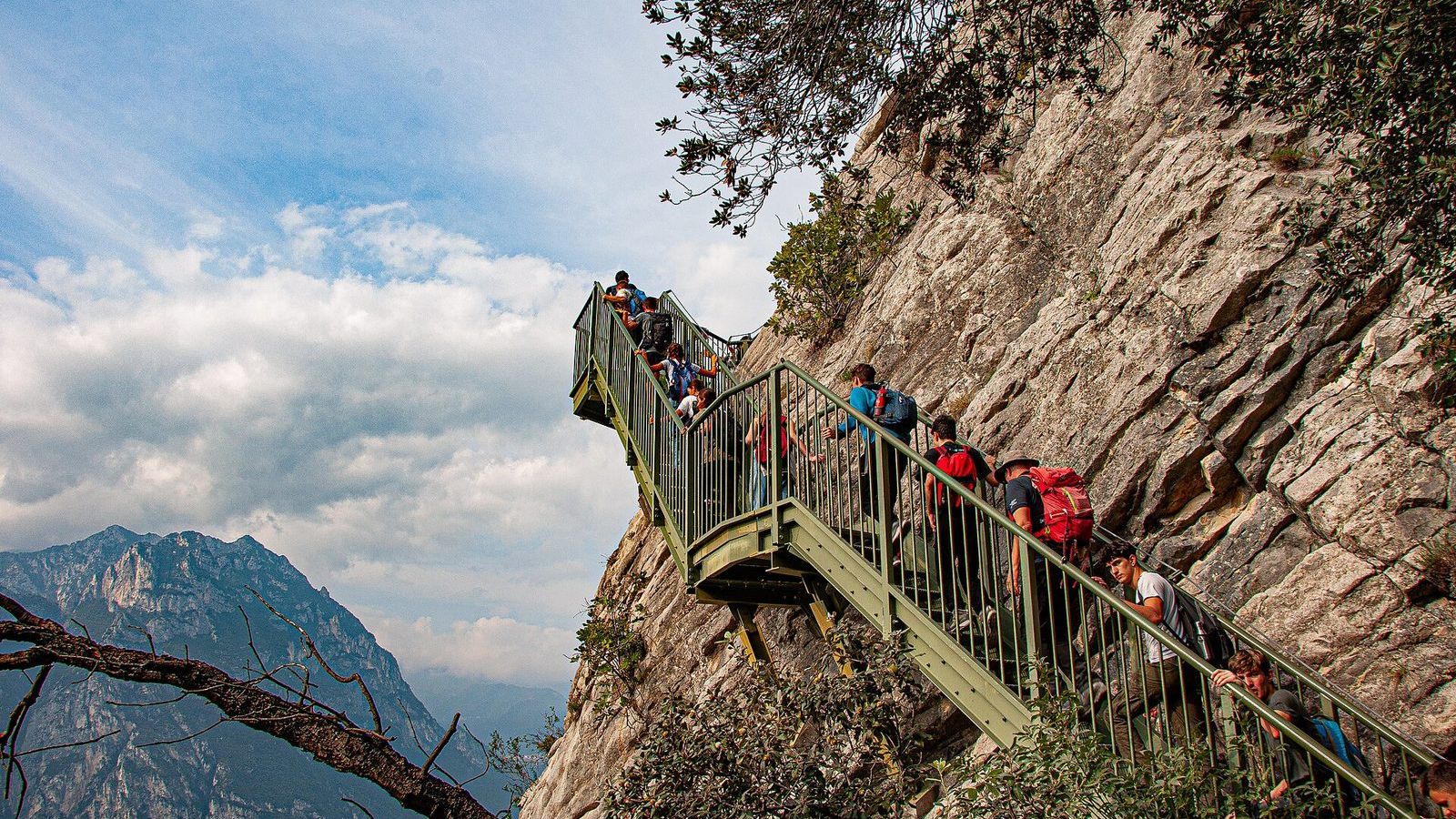
How to prepare for the geology part of the Earth Science Olympiad
The International Earth Science Olympiad tests rocks, minerals, maps, and reasoning as well as the atmosphere, the oceans, and the sky. Here is what the geology part asks for, the practical skills that decide it, the free tools to practise with, and a twelve-week plan.
The last time the planet released this much carbon
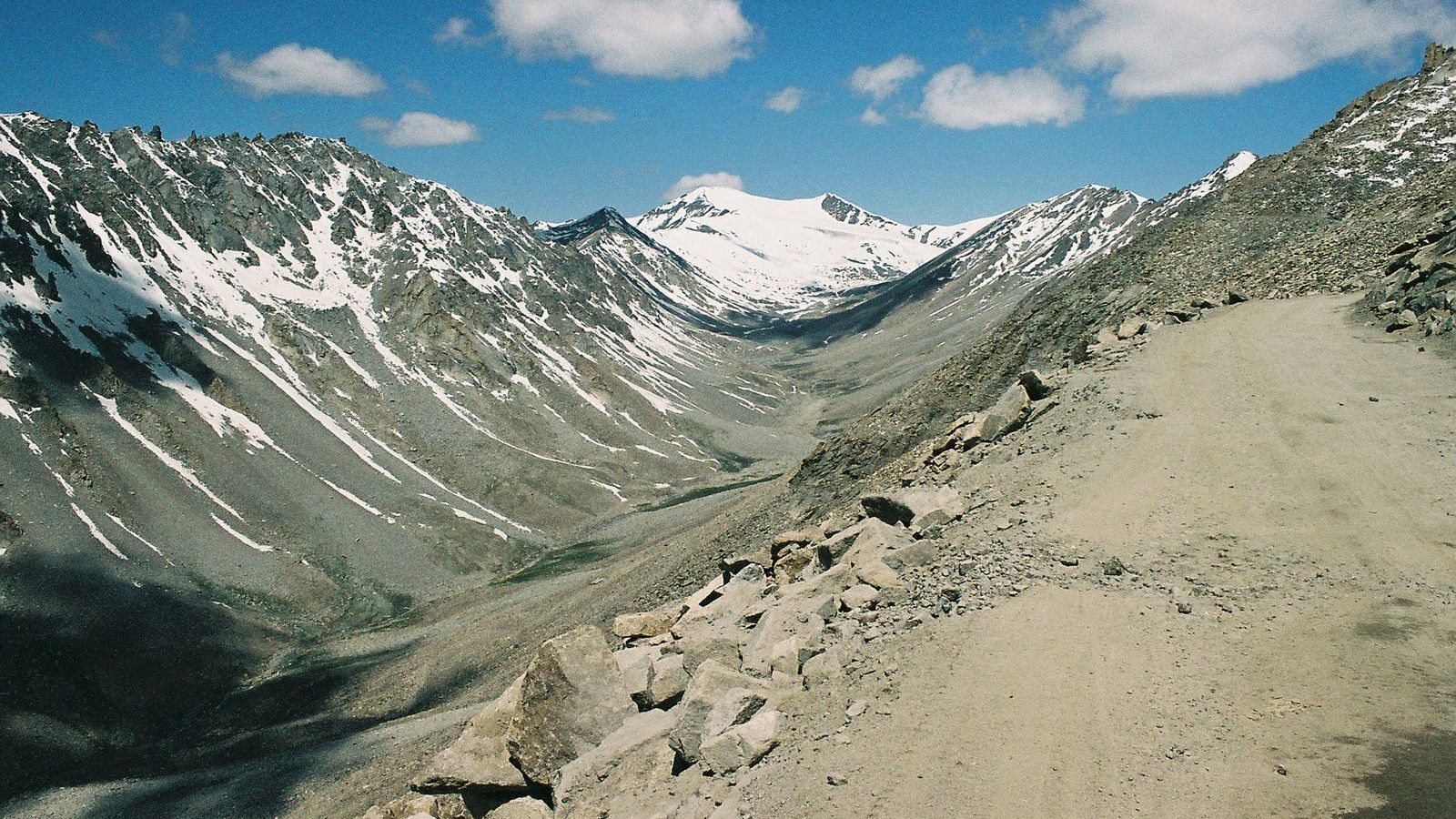
Fifty-six million years ago several thousand billion tonnes of carbon entered the air and the ocean, the planet warmed by 5 to 8 °C, and the deep sea turned acid enough to dissolve the shells on its floor. The event is the closest the rock record has to what is happening now, and the differences are as instructive as the likeness.
The ice ages have a clock in the sky
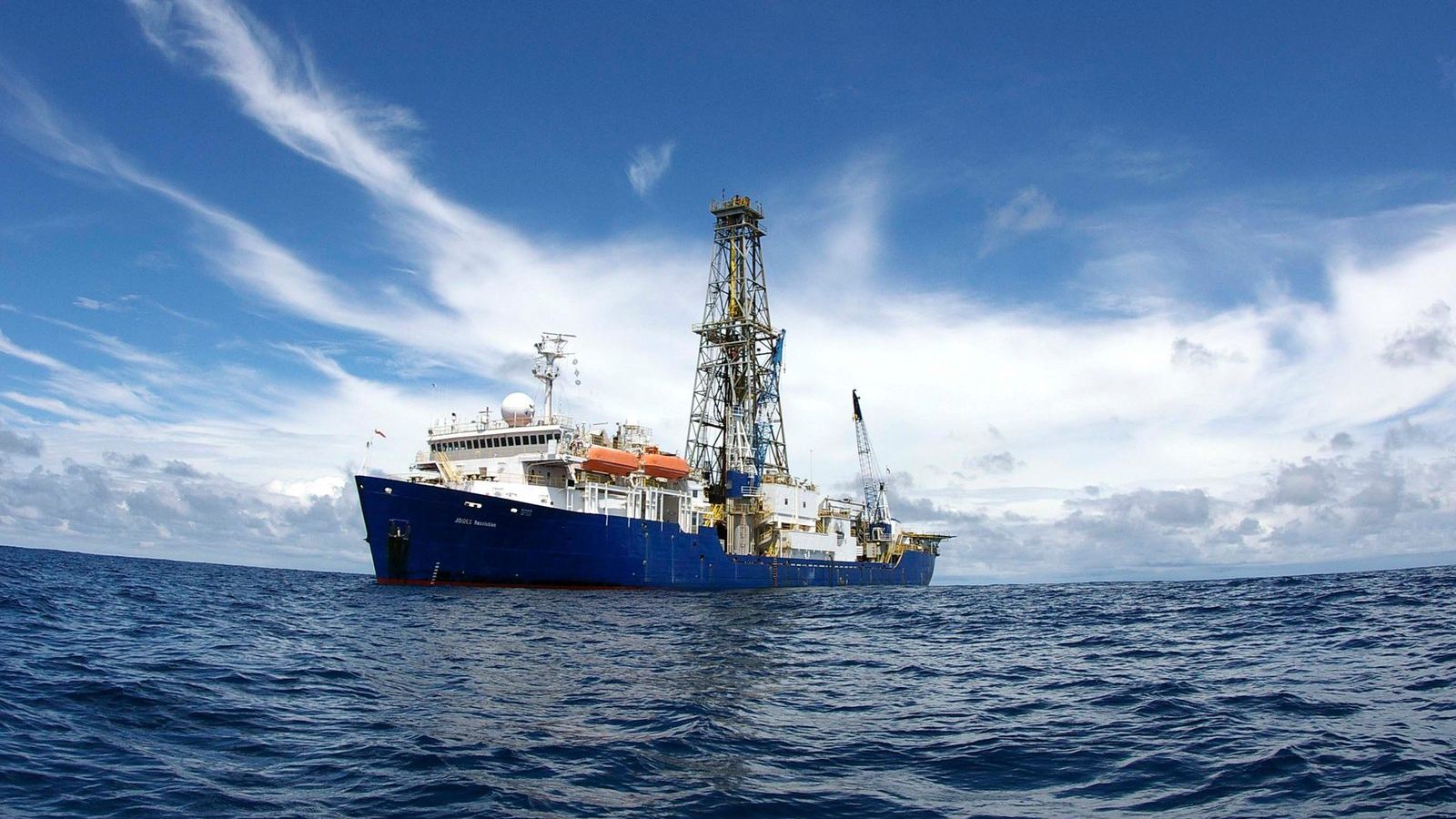
The ice sheets have come and gone about fifty times in the last 2.6 million years, and the timing follows three slow wobbles of the Earth's orbit that a Serbian engineer calculated by hand. Here are the cycles, the deep-sea cores that proved them in 1976, and the puzzle that remains.
When the Earth froze over
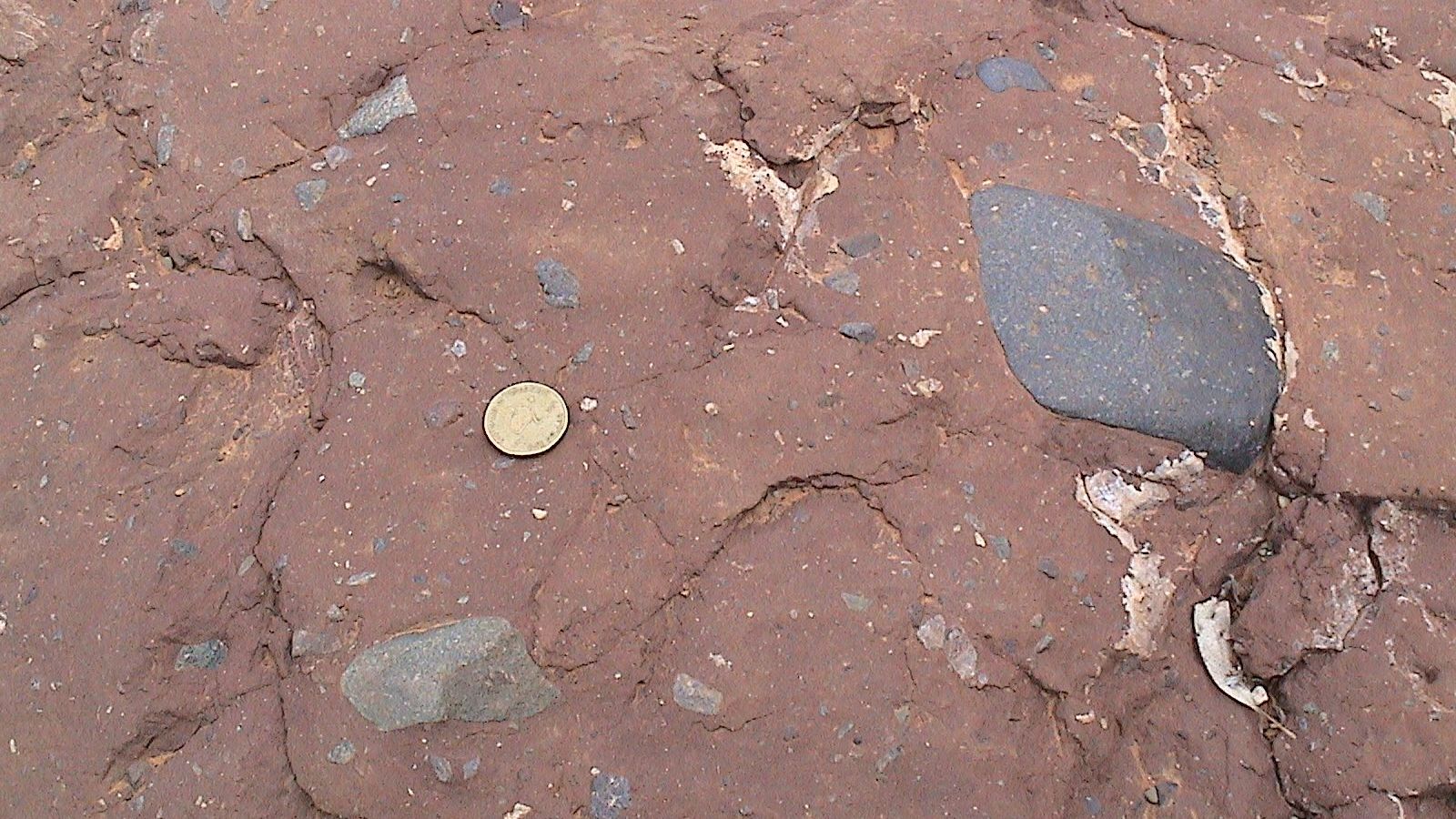
Twice in the Cryogenian period, between about 717 and 635 million years ago, glaciers reached the equator and the oceans may have frozen to the tropics. The evidence is in glacial rubble in Australia and Namibia, in the magnetism of the rocks, and in a strange layer of limestone that caps the ice deposits everywhere.
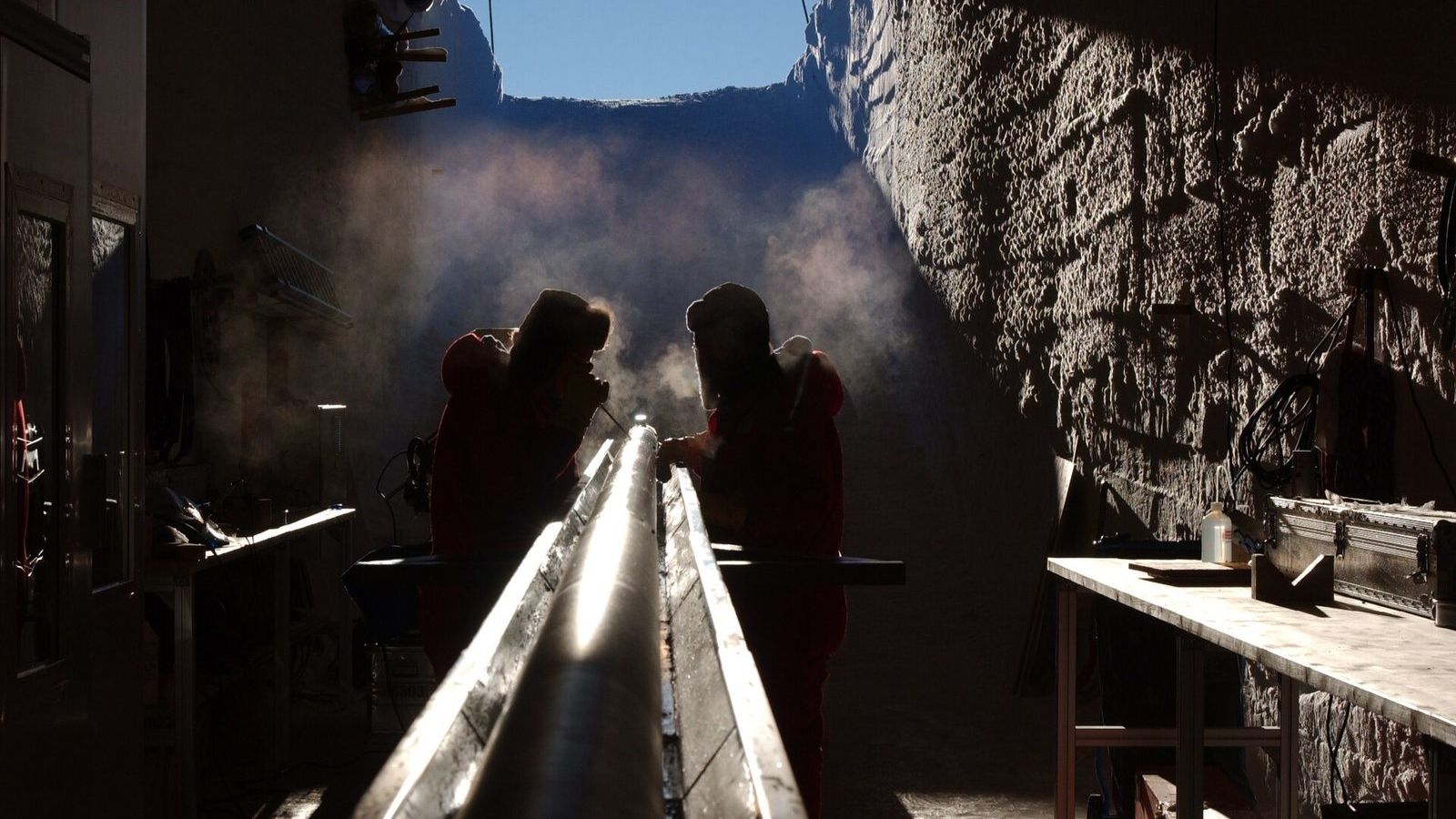
The air of 800,000 years ago, in a bubble
Snow that falls on Antarctica traps air as it turns to ice, and a 3.2 km drill core from Dome C holds samples of the atmosphere going back 800,000 years. Here is how the air gets in, how it is dated, and what it says about carbon dioxide.
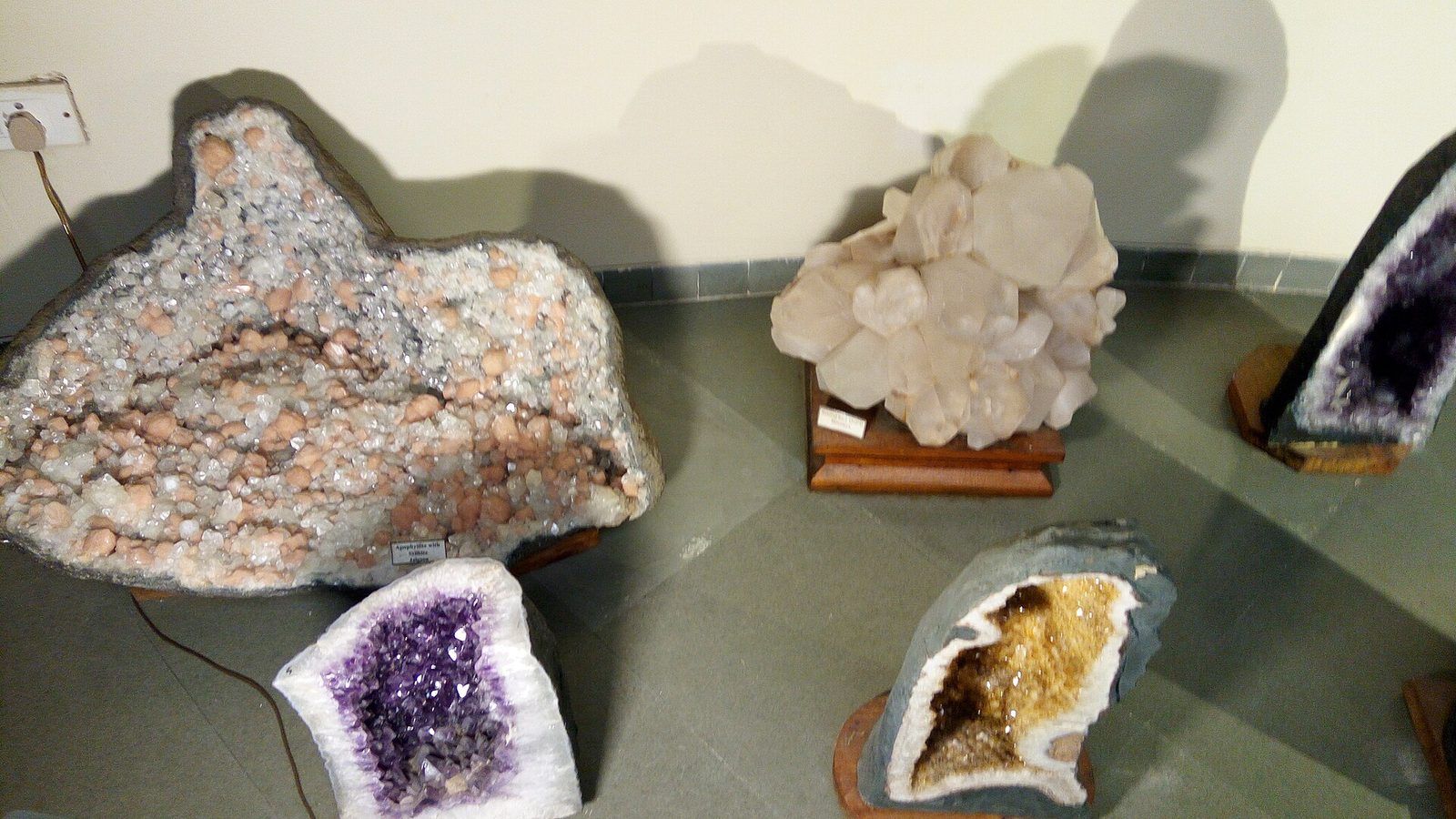
How to identify the ten commonest minerals
Ten minerals make up almost all of the rocks you will ever pick up, and four tests you can do at the kitchen table will tell most of them apart: hardness, cleavage, lustre, and a drop of vinegar. Here is the method and a table to print.
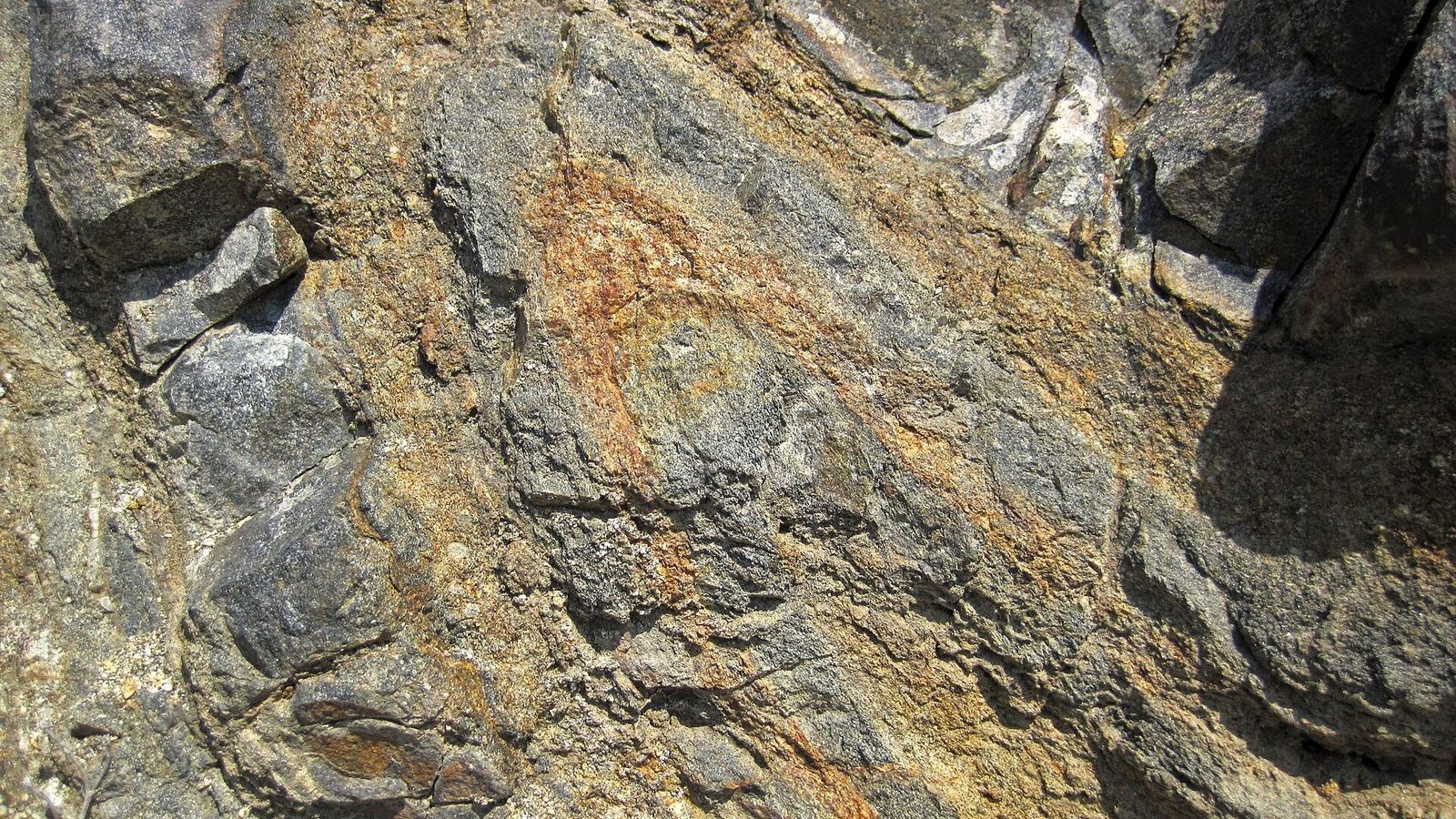
How slate, schist, and gneiss are the same rock
Start with mud, bury it, heat it, and squeeze it, and it becomes slate, then schist, then gneiss, growing a new mineral at each step. George Barrow mapped the steps in a Scottish glen in the 1890s, and his zones are still the way metamorphic grade is read.
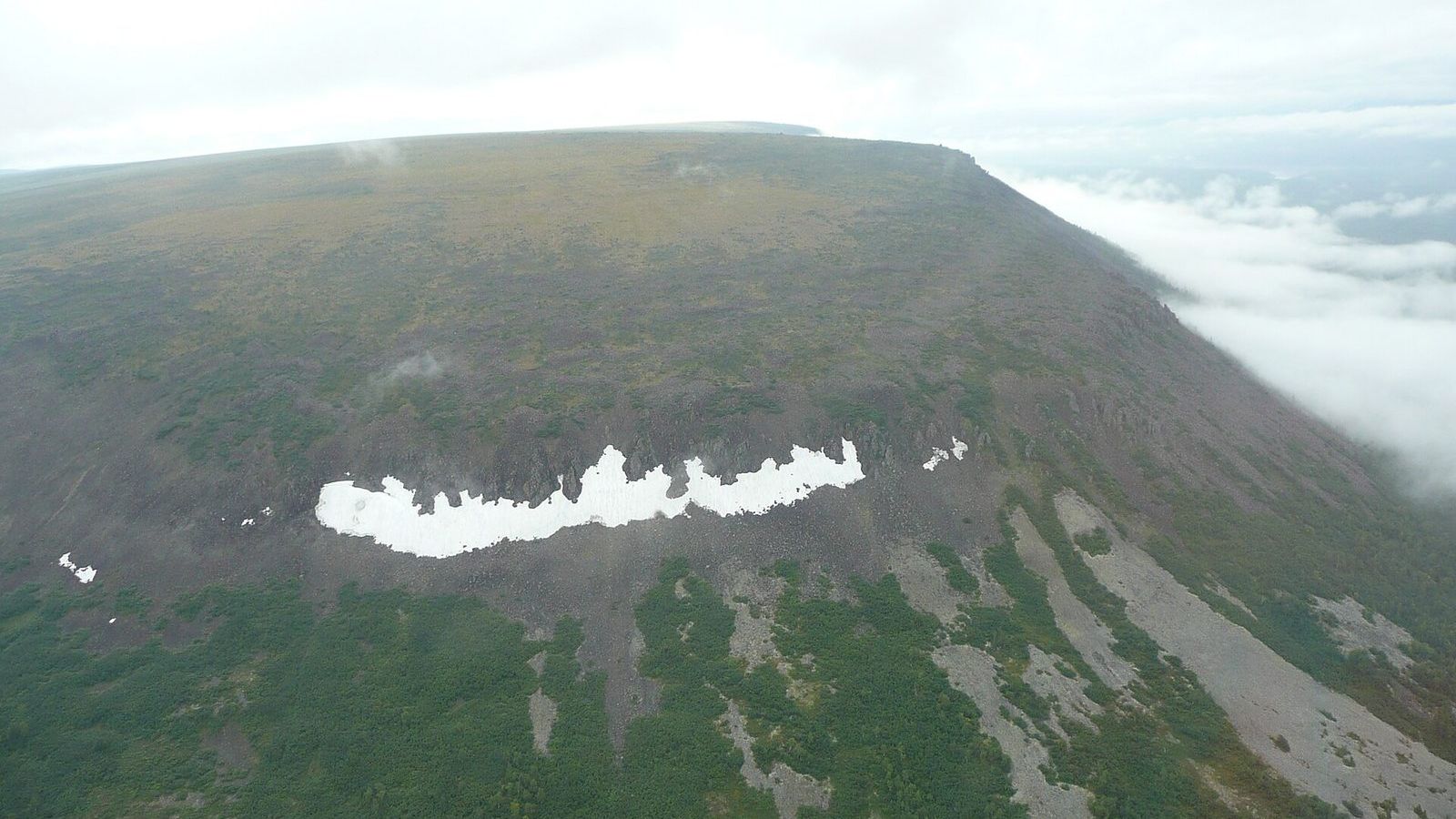
The worst day in the history of life
At the end of the Permian period, 252 million years ago, about four fifths of marine species vanished. The cause was the largest volcanic province on the continents, the dates come from a quarry in China, and the whole event took less than 60,000 years.
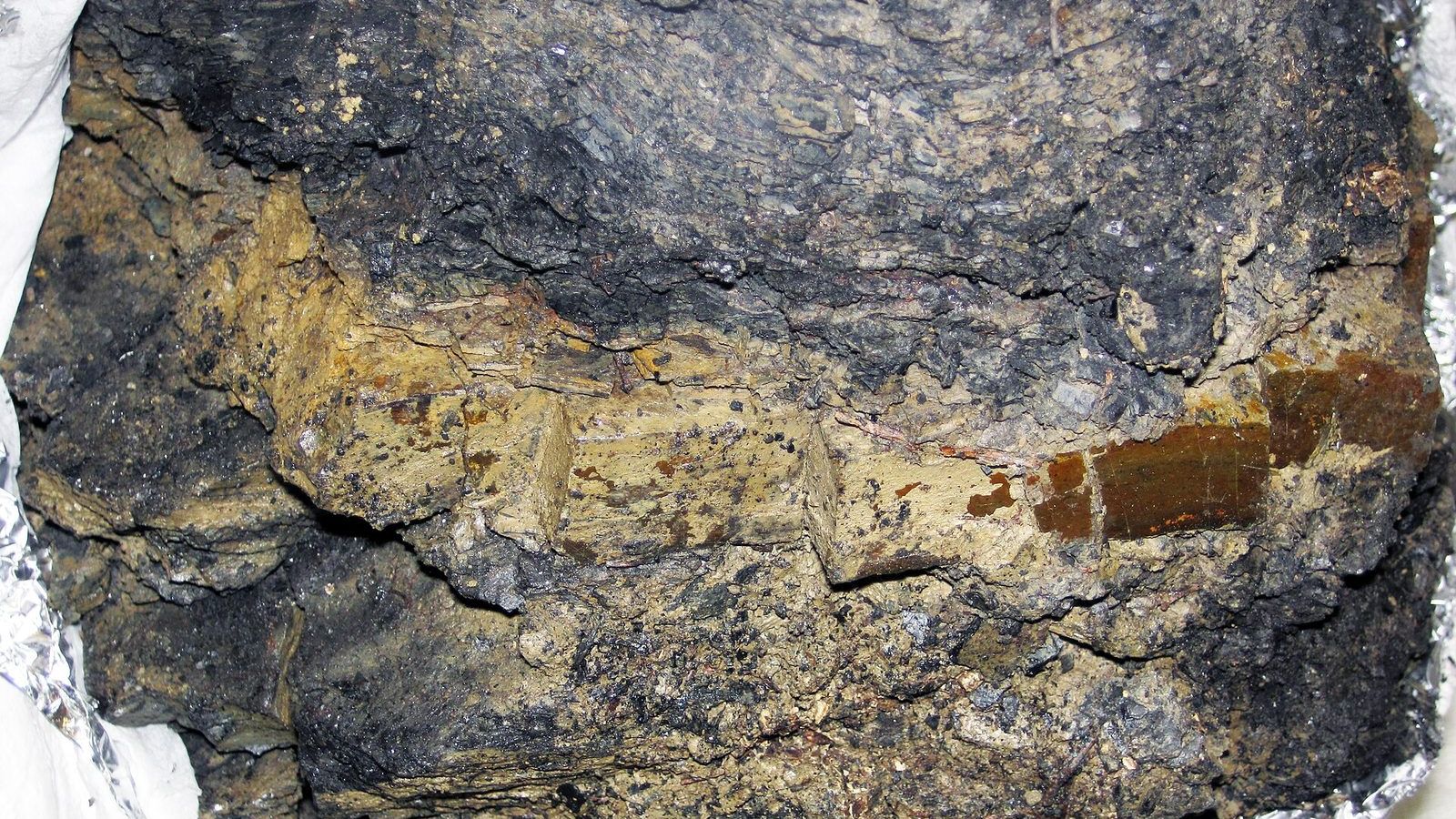
What killed the dinosaurs, and what else was happening
A thin clay layer rich in iridium, a buried crater 180 km across in Mexico, and a million cubic kilometres of basalt in India all date to within a few hundred thousand years of 66 million years ago. Here is how the dates were measured and how the argument stands.