
Research presented in the program
Established geology is the foundation. The research spotlights show what is being built on it now: each unit presents the published work of a leading Earth scientist and links to the original paper.
The scientists named here are not contributors to the Geology Masterclass, are not affiliated with it, and have not endorsed it. The program presents and explains their published research, with references to the original papers.
Research spotlights
Shanan E. Peters
Stratigraphy, the rock record through time, and geological data integration
Robert M. Hazen
Mineralogy, mineral evolution, and the co-evolution of minerals and life
Katharine V. Cashman
Volcanology, the crystallization of magma, and the architecture of magmatic systems
John P. Grotzinger
Sedimentary geology and the geology of Mars
Michael Brown
Metamorphic petrology and the onset of plate tectonics
R. Dietmar Müller
Plate reconstructions, the age of the ocean floor, and the geodynamics of the mantle
Clare E. Bond
Structural geology and the uncertainty of geological interpretation
Andrew H. Knoll
Palaeontology and the early history of life and its environments
Blair Schoene
Geochronology and high-precision uranium-lead dating
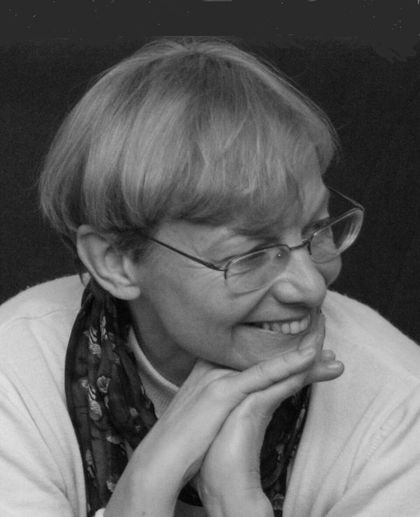
Barbara Romanowicz
Global seismology and the structure of the deep mantle
Gregory C. Beroza
Earthquake seismology, earthquake detection, and forecasting
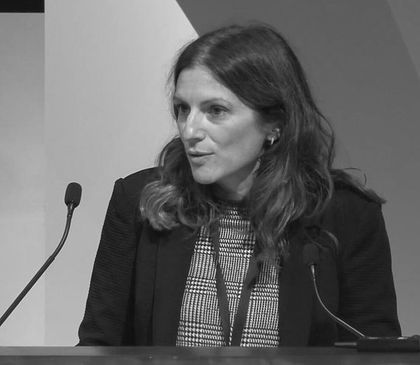
Marie Edmonds
Volcanology and petrology, volcanic gases, and magma storage in the crust
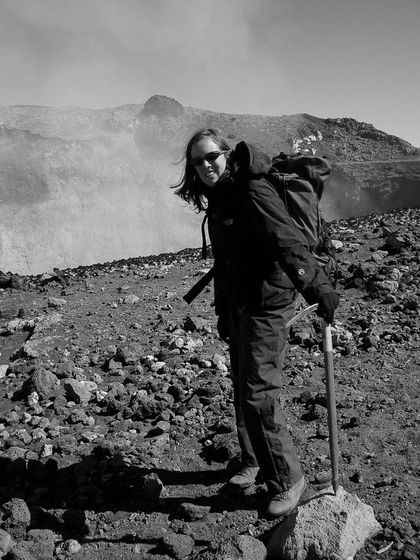
Tamsin A. Mather
Volcanology and the environmental effects of volcanic emissions
Seth D. Burgess
Geochronology of large igneous provinces and mass extinctions
Eric W. Wolff
Ice cores and the chemistry of past atmospheres
Gavin L. Foster
Isotope geochemistry and the reconstruction of past carbon dioxide
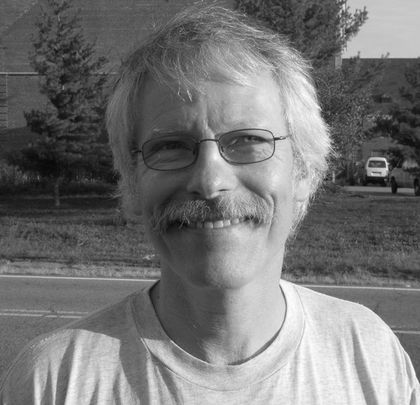
Paul E. Olsen
Palaeontology, cyclostratigraphy, and the lake beds of the Triassic and Jurassic
Paul F. Hoffman
Precambrian geology and the Snowball Earth hypothesis
Richard E. Zeebe
Ocean carbonate chemistry and the carbon cycle of the past
Science is something people do
A formula can look as if it had always been there. The spotlights show that the questions are open, that the methods of each unit are in use today, and who is using them. For every unit you also receive a reading list with further papers that are free to read.