
Volcanoes and magma
Why some volcanoes explode and others pour out lava, what happens to the world's weather after a great eruption, and how magma is stored under a volcano. These articles go with the units on magma and igneous rocks and on volcanoes and magmatic systems.
Articles
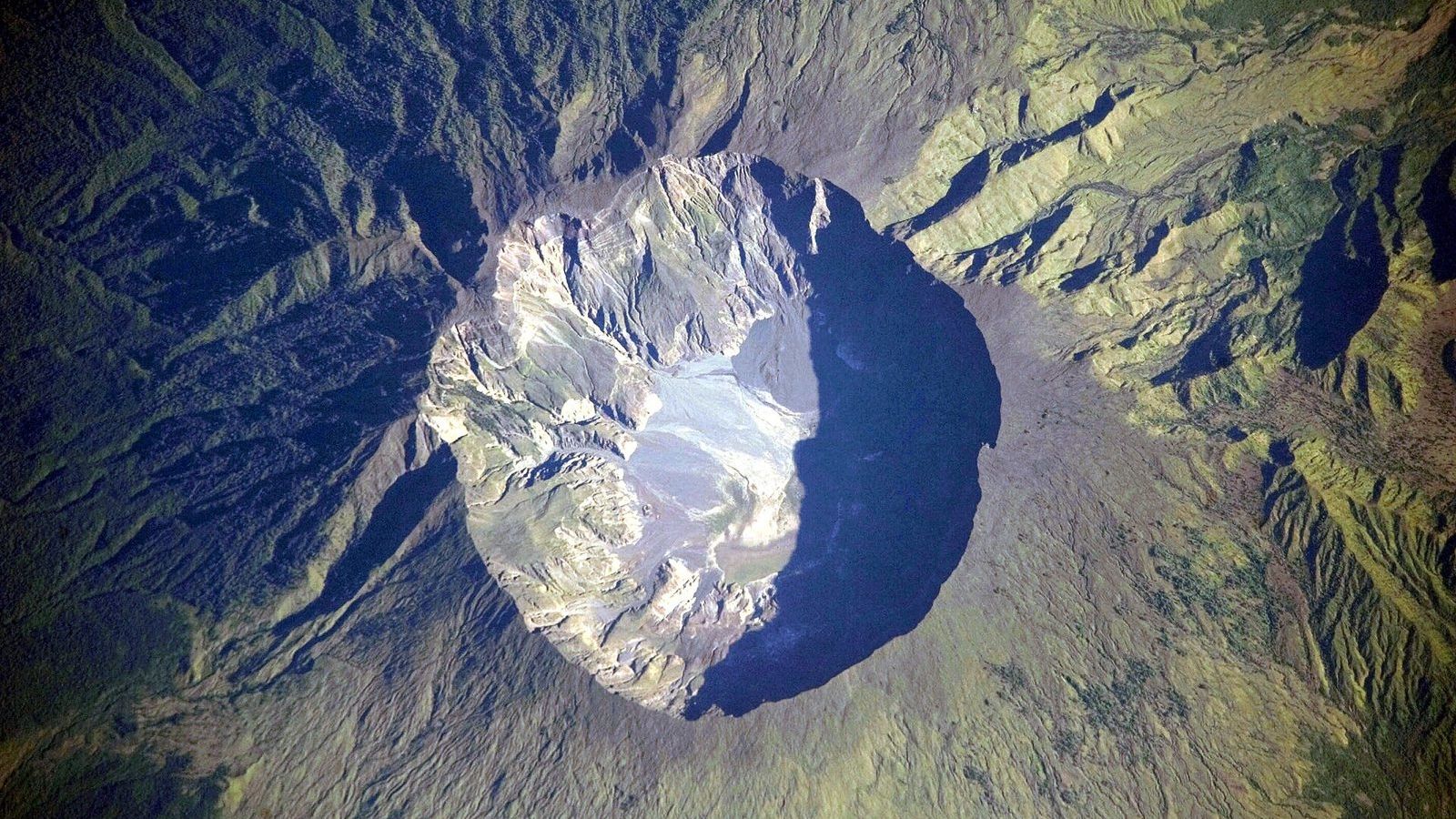
The year without a summer
In April 1815 Tambora, on the island of Sumbawa in Indonesia, blew off the top 1,400 m of its cone in the largest eruption of the last few thousand years. The next year crops failed in New England and Europe. Here is how a volcano cools the planet, and what the satellites measured when Pinatubo did it again in 1991.
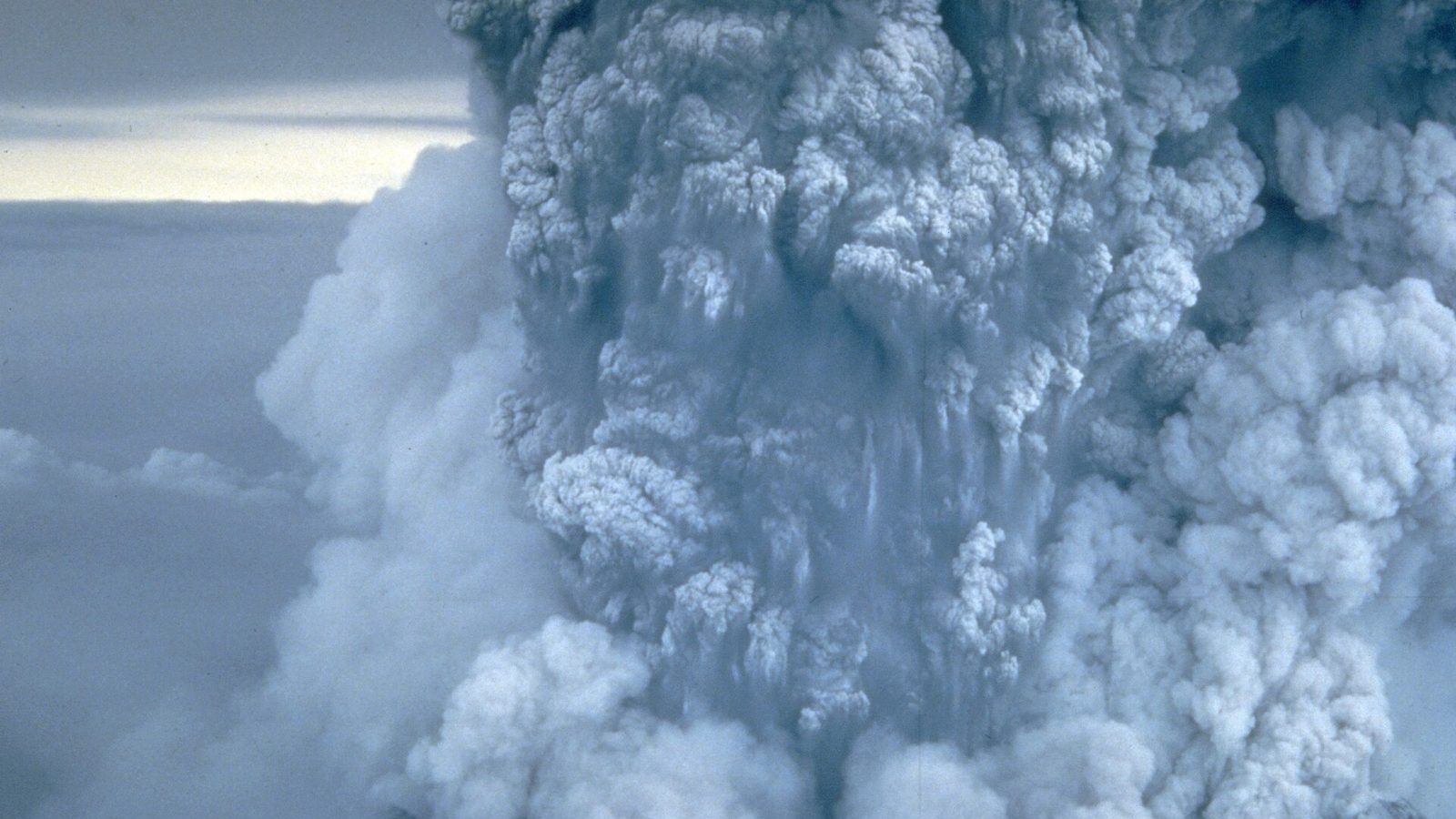
Why Mount St Helens exploded and Kīlauea does not
Two volcanoes, the same planet, opposite behaviour. The difference is the water dissolved in the magma, the silica that makes it stiff, and the physics of a fizzy drink opened too fast.
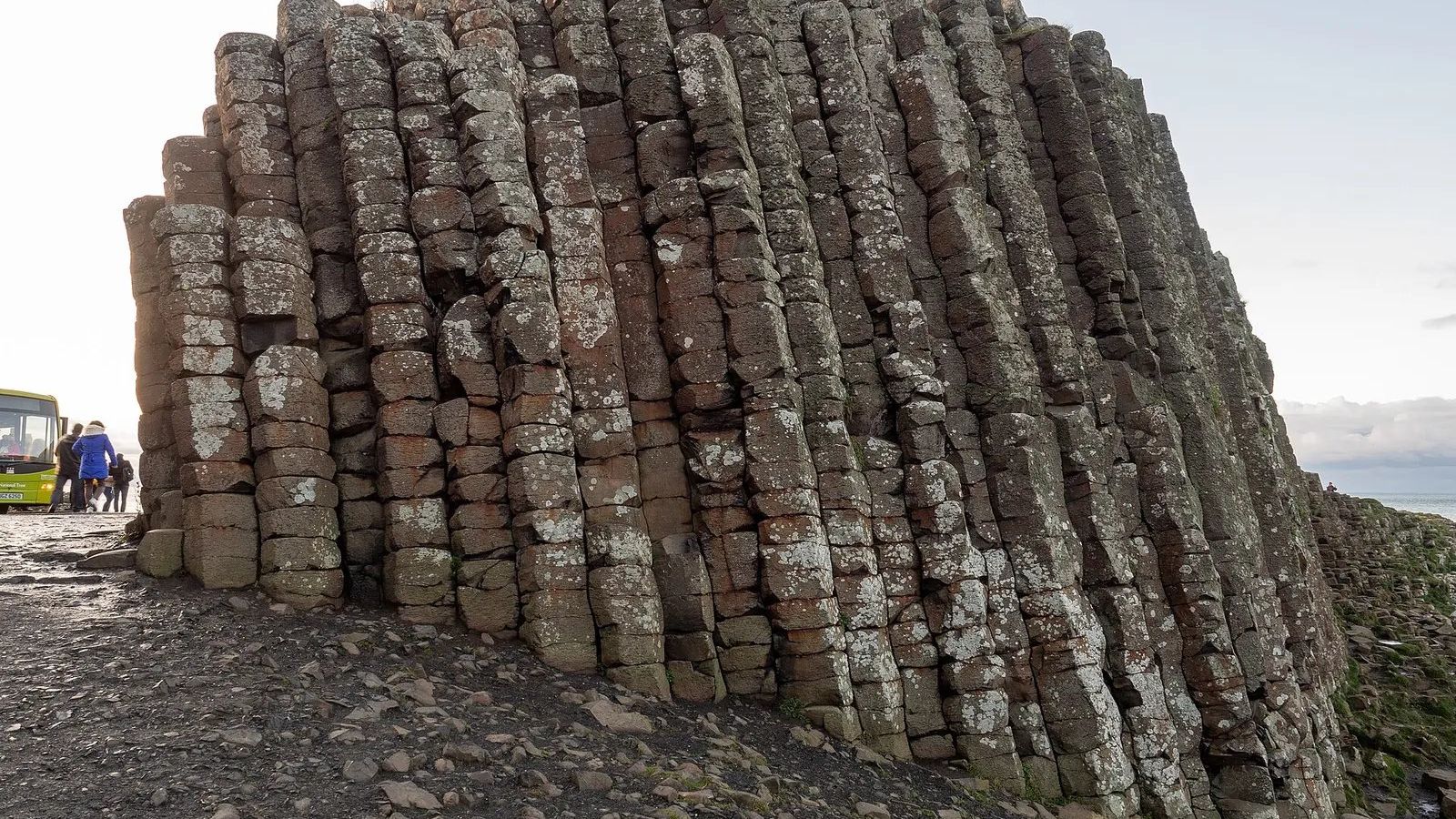
Why basalt is dark and granite is light
The two commonest igneous rocks look nothing alike, and the difference comes down to silica, iron, and a sequence of crystallization that Norman Bowen worked out in a furnace a century ago. One mantle melt can end as both.