
Ice ages and the climate of the past
The air of 800,000 years ago trapped in ice, the clock in the sky that paces the ice ages, the time the whole planet froze, and the fastest natural carbon release of the last 66 million years compared with today. These articles go with the four palaeoclimate units.
Articles
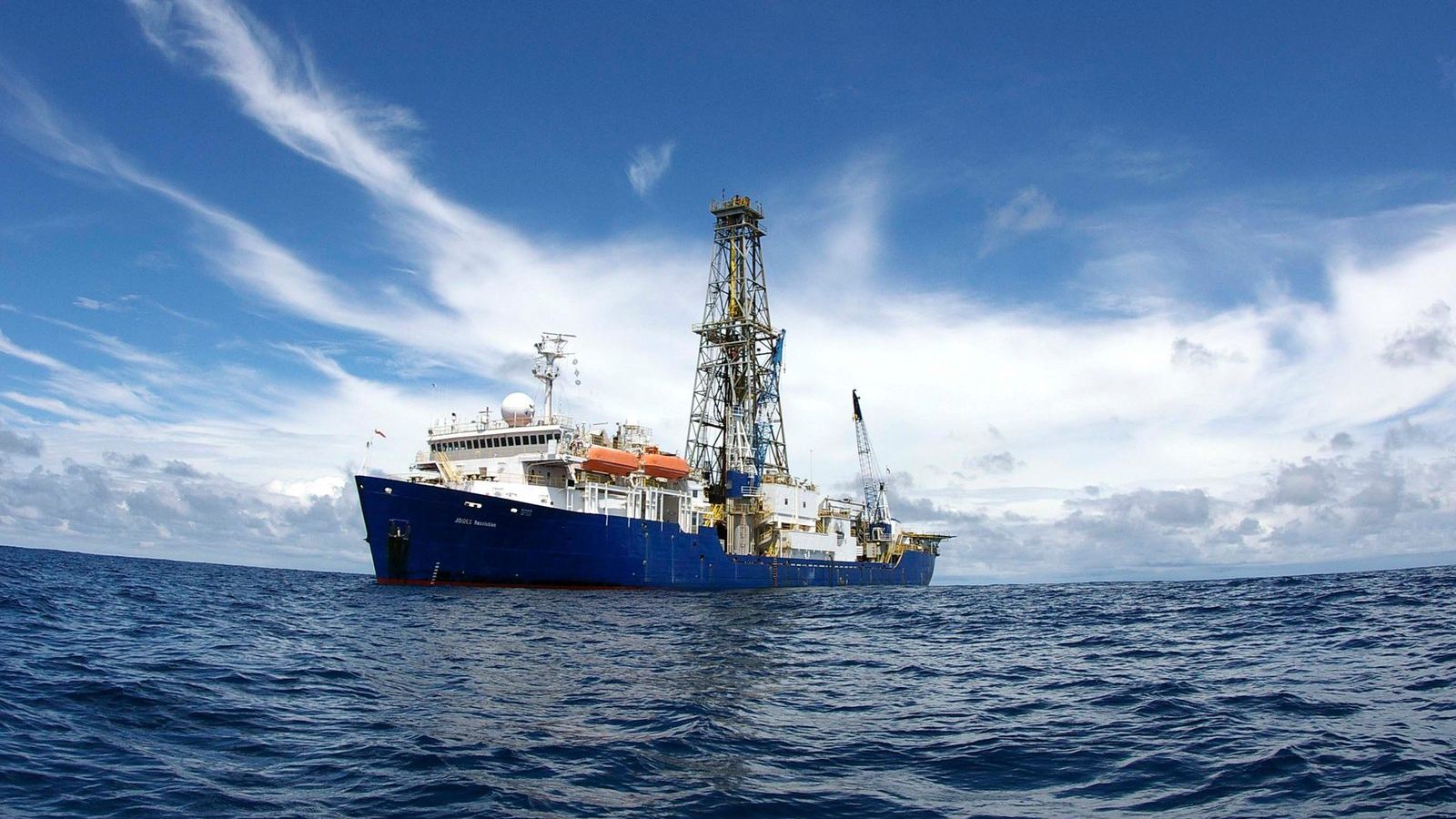
The last time the planet released this much carbon
Fifty-six million years ago several thousand billion tonnes of carbon entered the air and the ocean, the planet warmed by 5 to 8 °C, and the deep sea turned acid enough to dissolve the shells on its floor. The event is the closest the rock record has to what is happening now, and the differences are as instructive as the likeness.
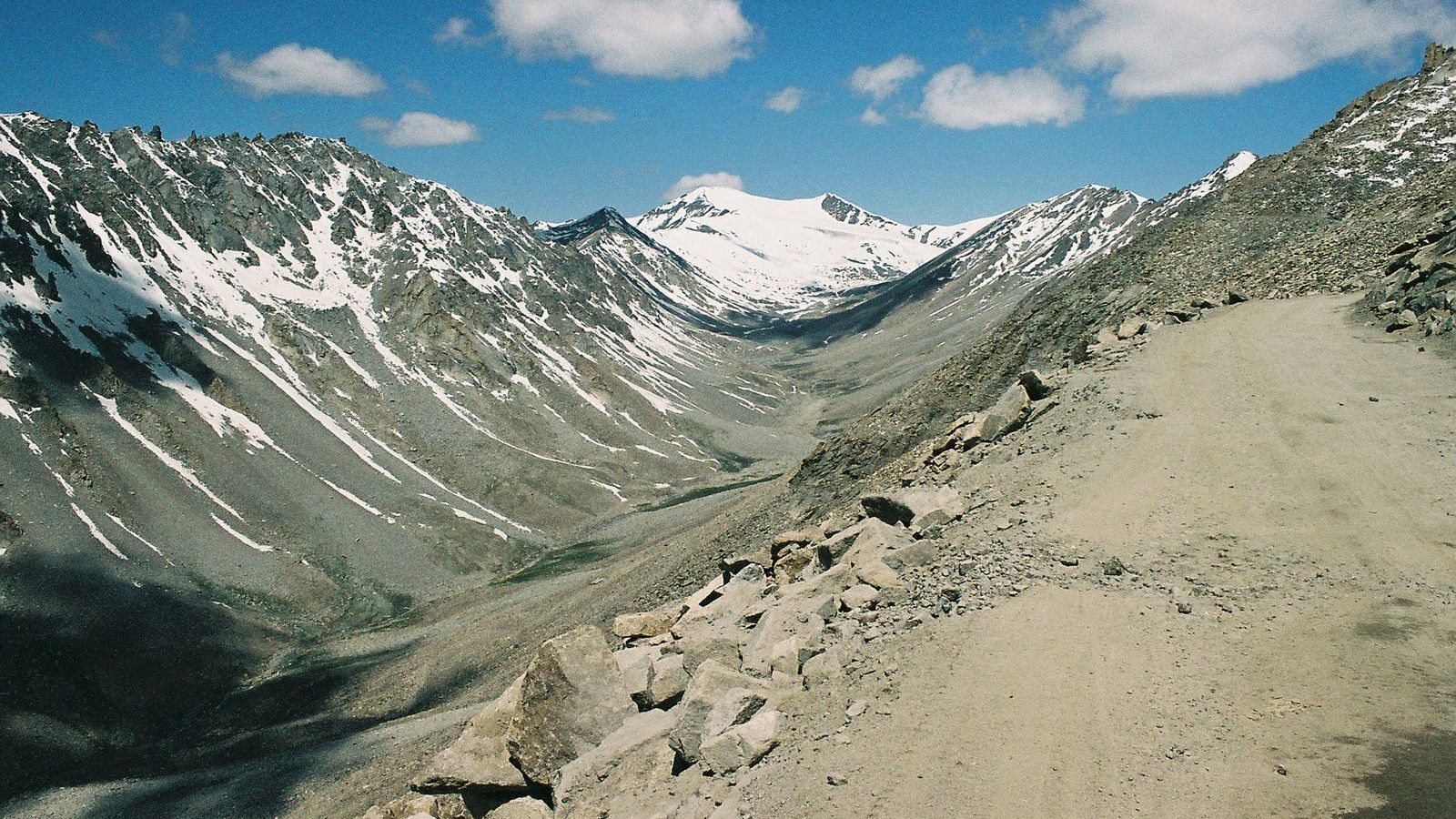
The ice ages have a clock in the sky
The ice sheets have come and gone about fifty times in the last 2.6 million years, and the timing follows three slow wobbles of the Earth's orbit that a Serbian engineer calculated by hand. Here are the cycles, the deep-sea cores that proved them in 1976, and the puzzle that remains.
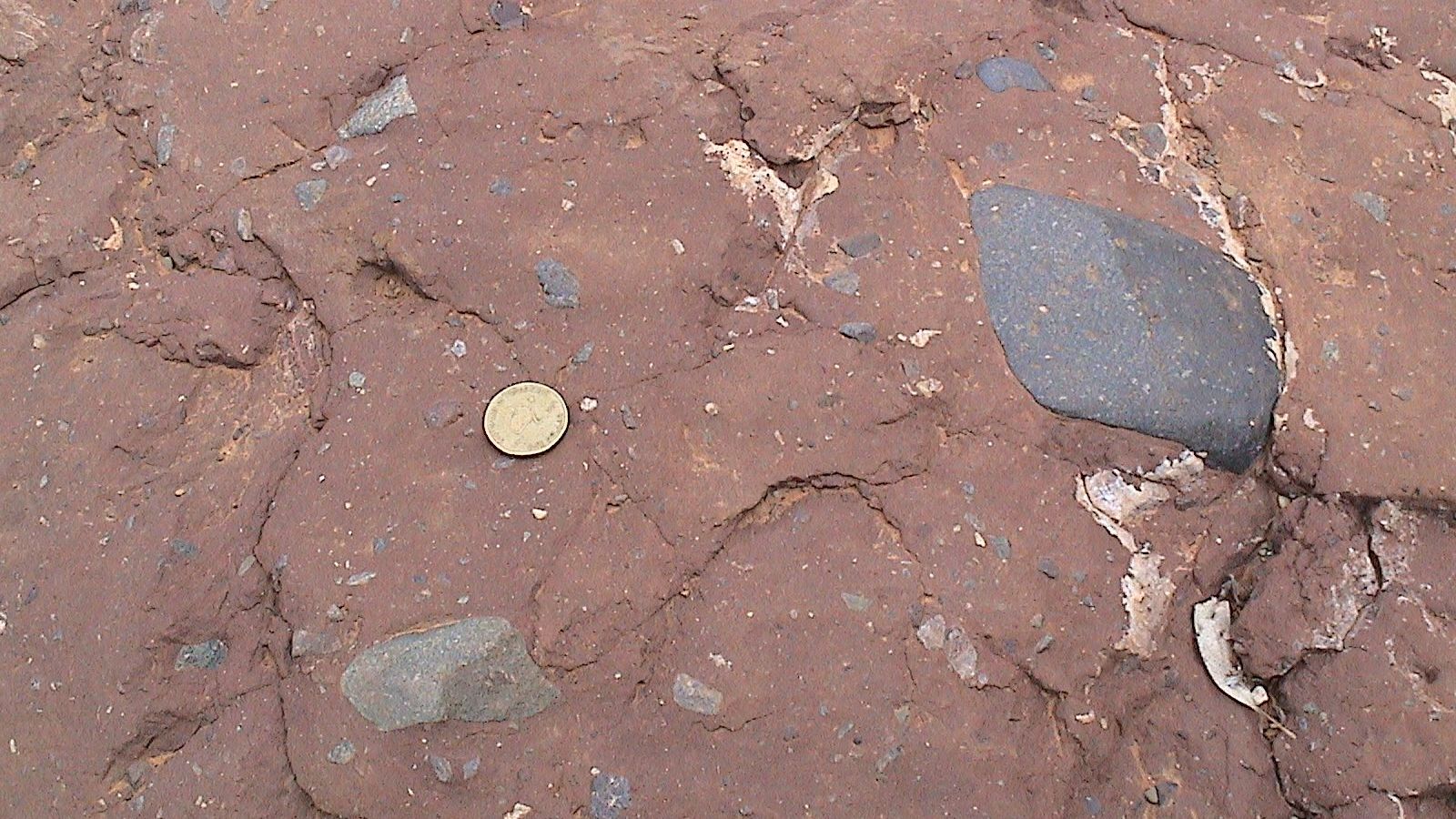
When the Earth froze over
Twice in the Cryogenian period, between about 717 and 635 million years ago, glaciers reached the equator and the oceans may have frozen to the tropics. The evidence is in glacial rubble in Australia and Namibia, in the magnetism of the rocks, and in a strange layer of limestone that caps the ice deposits everywhere.
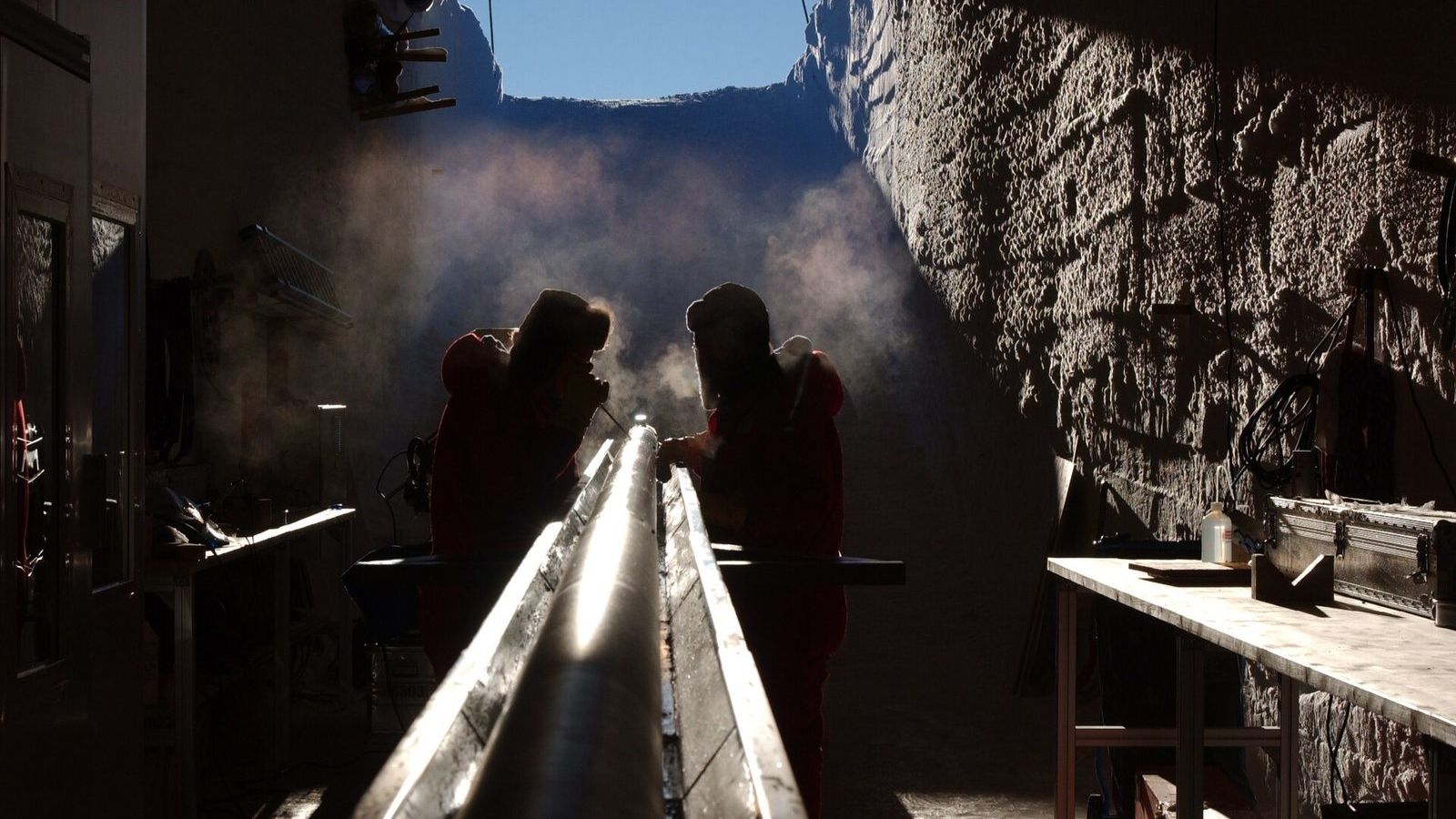
The air of 800,000 years ago, in a bubble
Snow that falls on Antarctica traps air as it turns to ice, and a 3.2 km drill core from Dome C holds samples of the atmosphere going back 800,000 years. Here is how the air gets in, how it is dated, and what it says about carbon dioxide.
In the masterclass
Climate Archives in Rock and Ice
How past climates are read from sediments, shells, and ice
Orbital Cycles and the Ice Ages
The evidence for past ice and the astronomical beat behind it
Snowball Earth and Greenhouse Worlds
The coldest and the warmest states of the planet
Carbon Release in the Rock Record
The carbon cycle, its thermostat, and the releases of the past