
Plates, mountains, and earthquakes
How fast the continents move and how we know, why there is sea floor on the summit of Everest, what a magnitude really measures, and how seismic waves revealed the core of the Earth. These articles go with the units on plate tectonics, faults and folds, and earthquakes and the deep Earth.
Articles
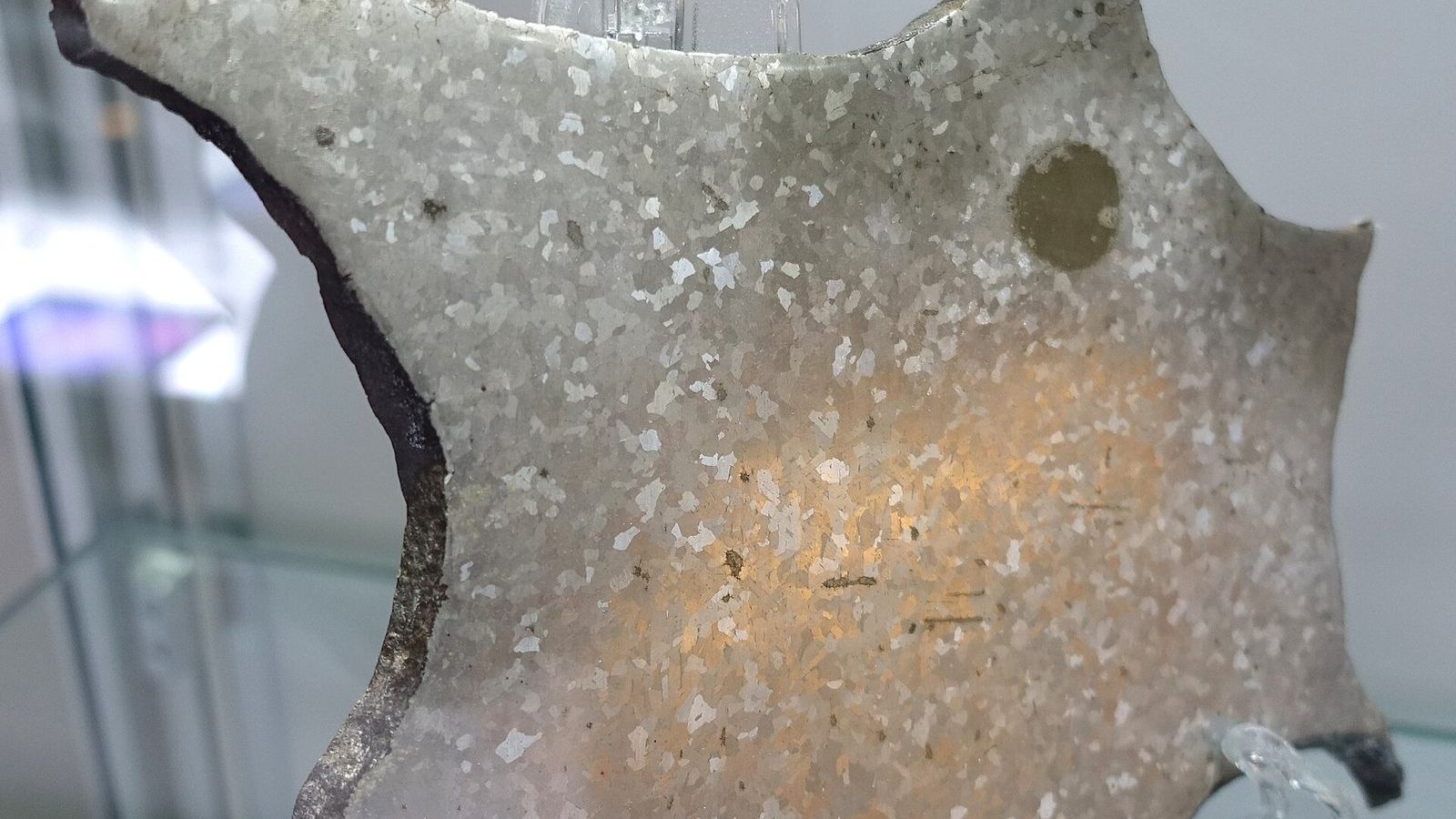
How we know what is at the centre of the Earth
Nobody has been deeper than 12 km, and the centre is 6,371 km down. The core was found by a shadow in the earthquake waves, the inner core by a Danish seismologist who noticed waves that should not have been there, and the recipe comes from meteorites.
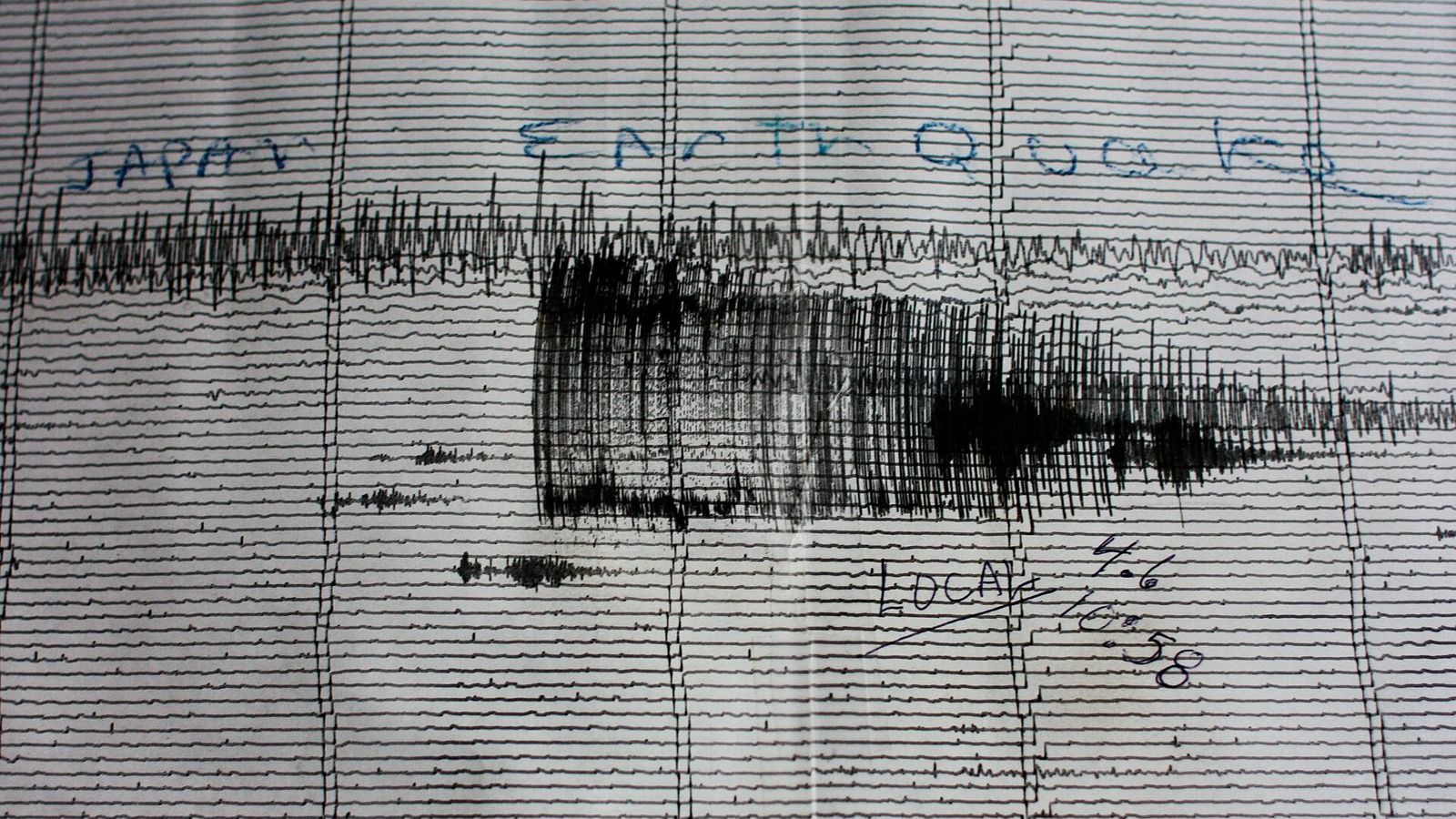
What a magnitude 9 earthquake actually is
Magnitude is a logarithm of the size of the fault slip, and one step up the scale is about 32 times the energy. Here is what the moment magnitude measures, why a 9 is a thousand times a 7, and why Richter's scale was retired.
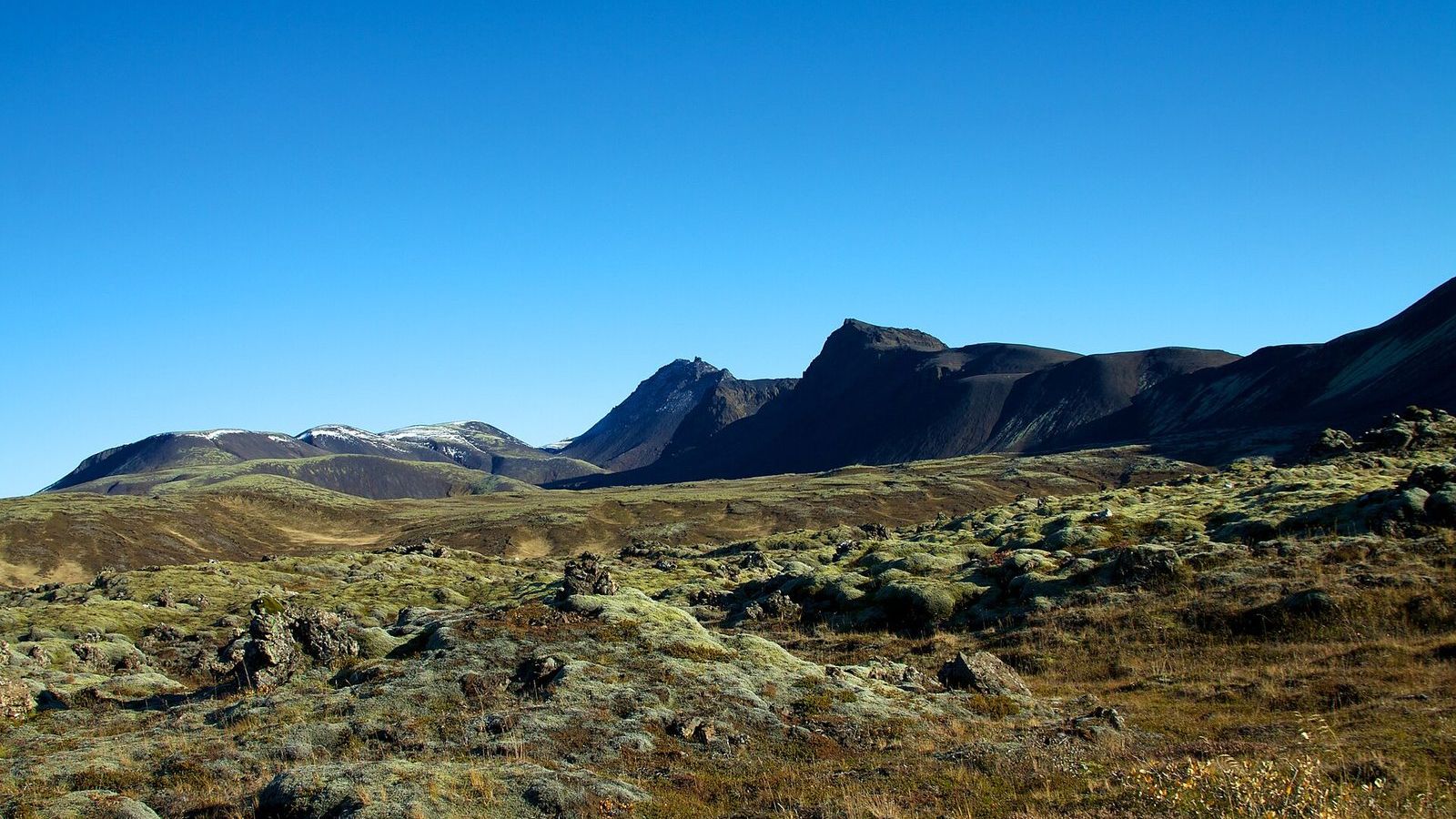
How fast do the continents move?
About as fast as your fingernails grow. Here is how that number was first measured from the magnetic stripes of the sea floor, how GPS now measures it every day, and how to calculate a plate speed yourself from the ages of the Hawaiian islands.
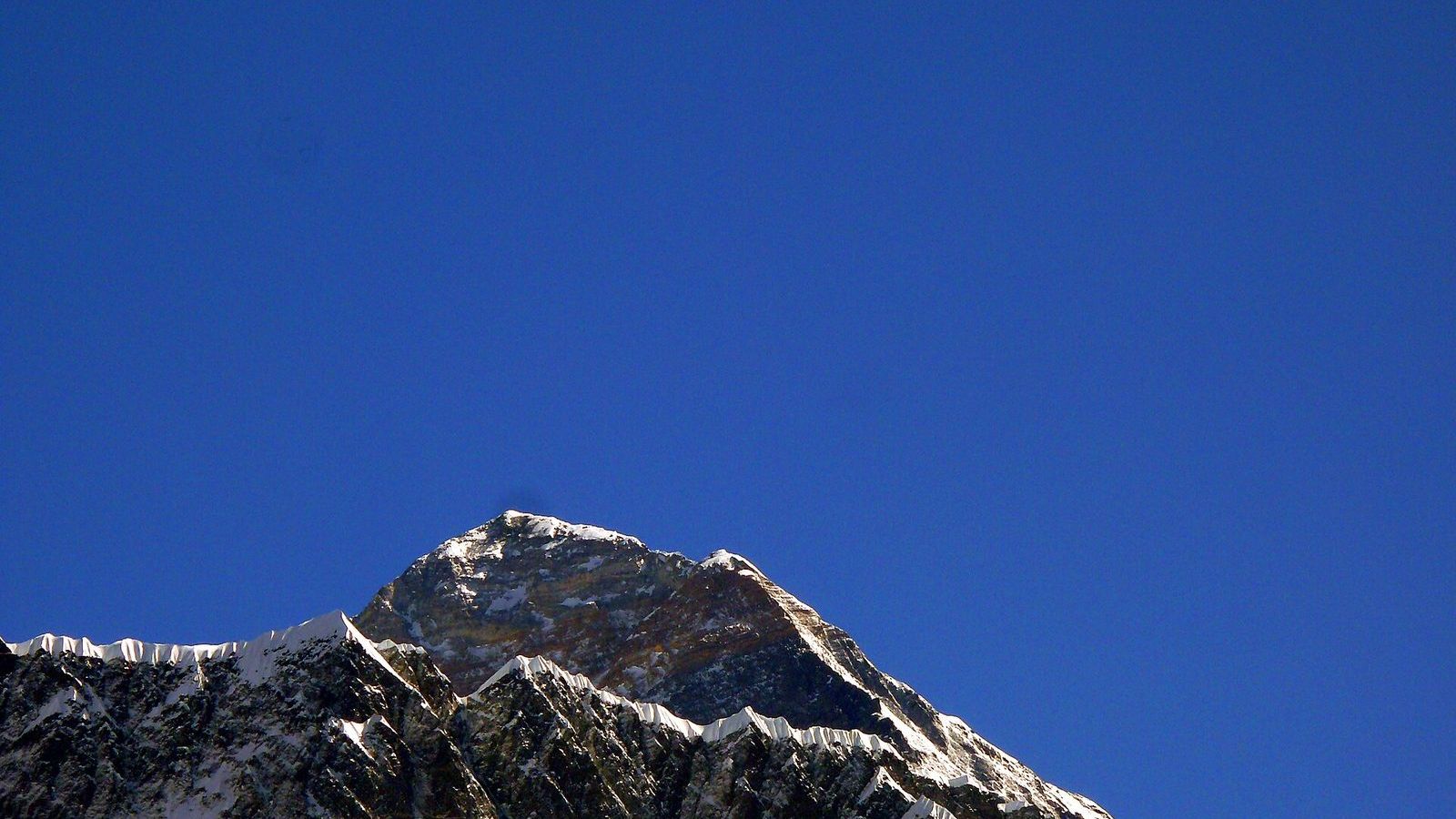
Why the summit of Everest is made of sea floor
The top of the highest mountain is limestone laid down on the floor of a shallow sea in the Ordovician period, with the broken remains of sea animals in it. The collision of India with Asia lifted it almost nine kilometres.