
Reading rocks, minerals, and maps
How to tell the common minerals apart in the hand, why one magma can make basalt and granite, how slate becomes gneiss, and how to read a geological map and the outcrops that made the science. These articles go with the units on the geologist's toolkit, minerals, and the three families of rock.
Articles
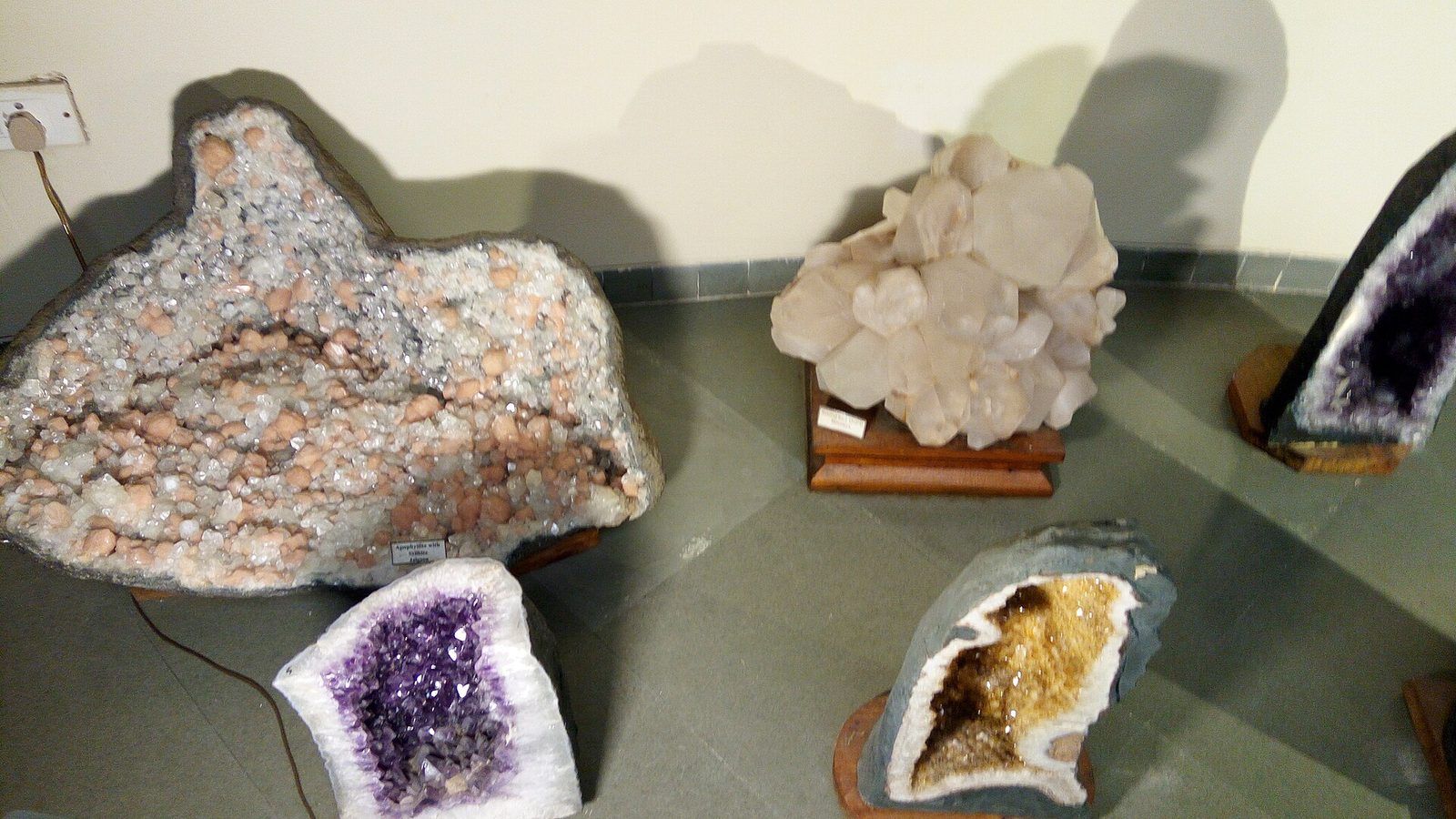
How to identify the ten commonest minerals
Ten minerals make up almost all of the rocks you will ever pick up, and four tests you can do at the kitchen table will tell most of them apart: hardness, cleavage, lustre, and a drop of vinegar. Here is the method and a table to print.
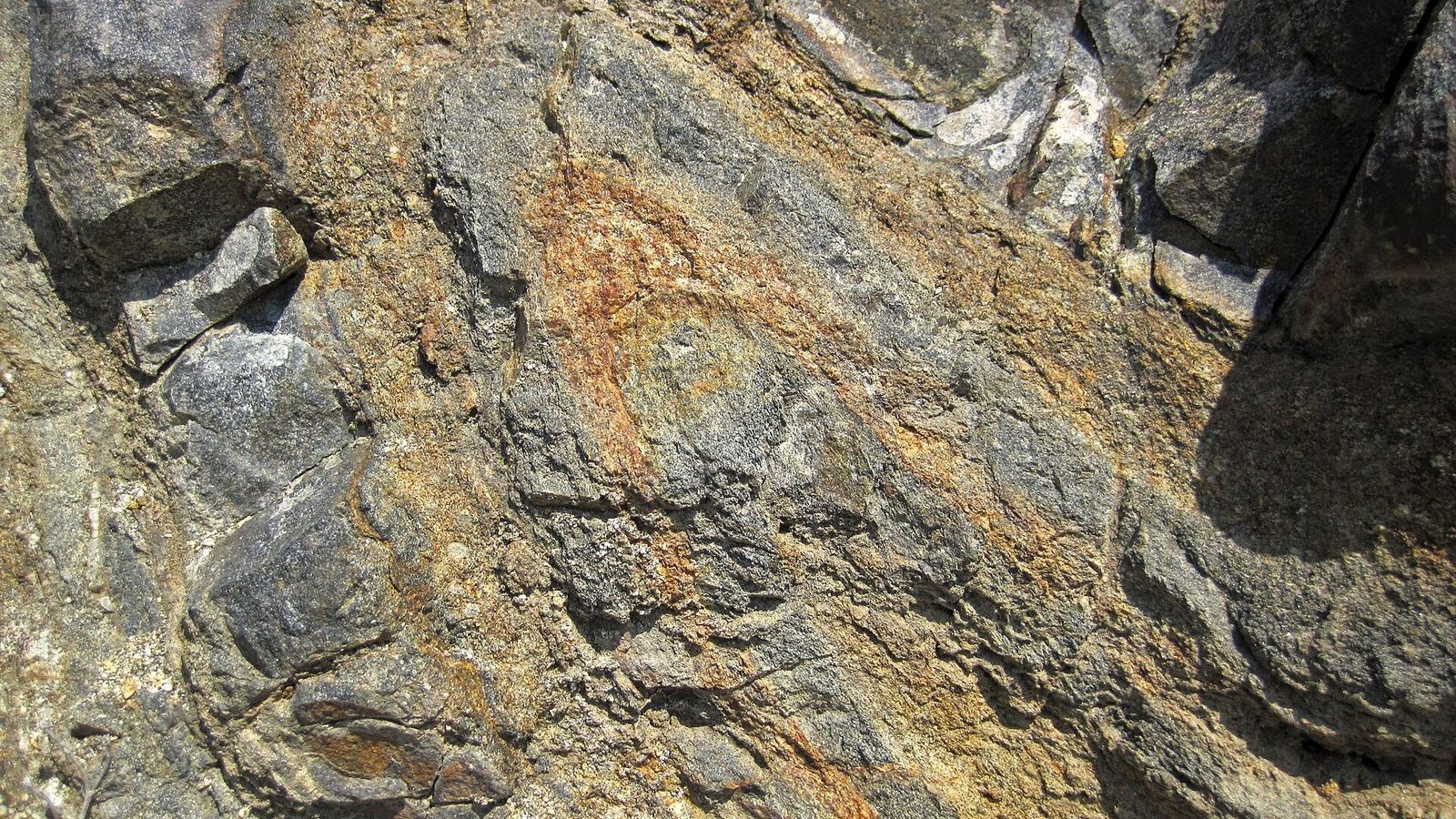
How slate, schist, and gneiss are the same rock
Start with mud, bury it, heat it, and squeeze it, and it becomes slate, then schist, then gneiss, growing a new mineral at each step. George Barrow mapped the steps in a Scottish glen in the 1890s, and his zones are still the way metamorphic grade is read.
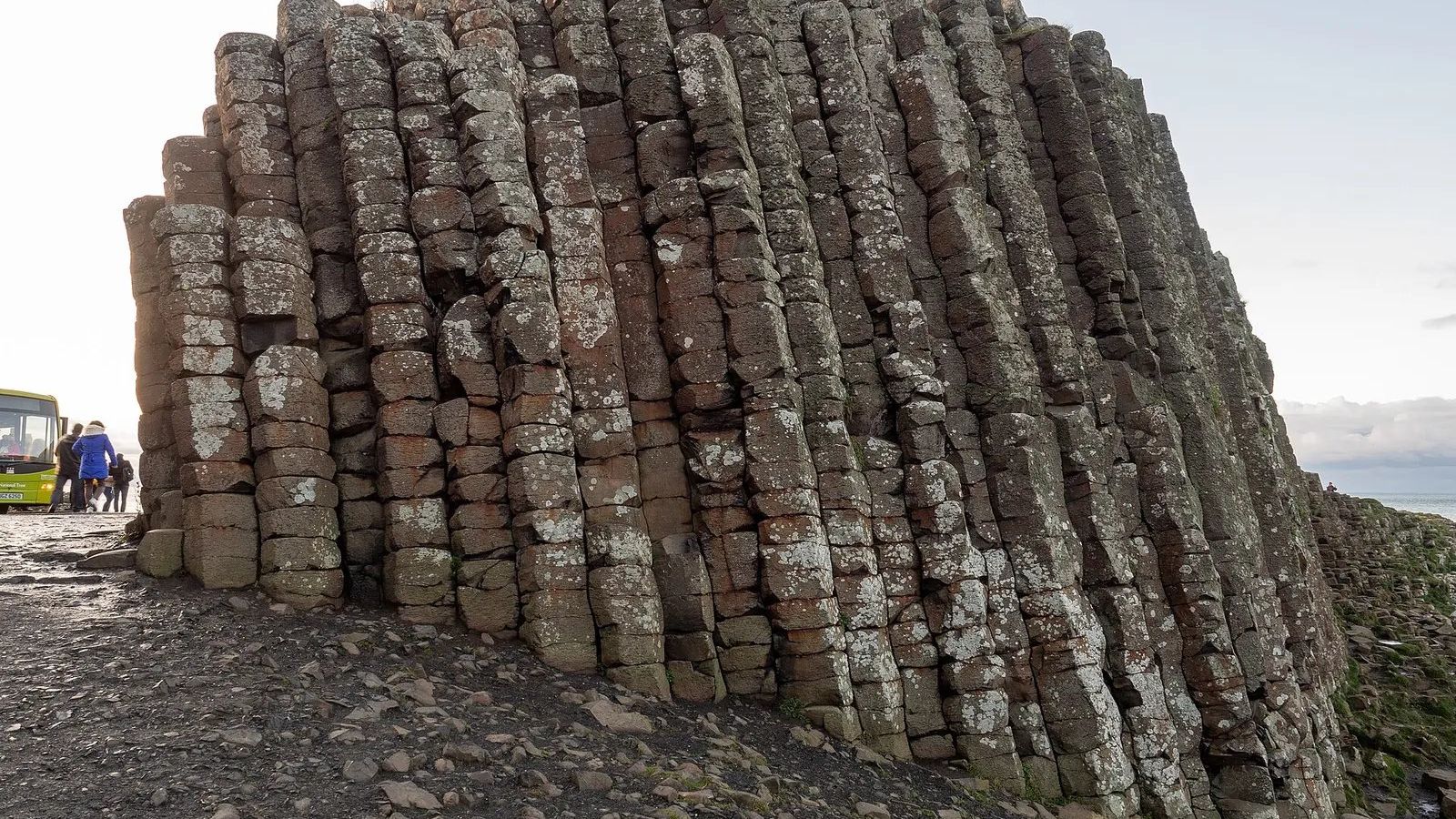
Why basalt is dark and granite is light
The two commonest igneous rocks look nothing alike, and the difference comes down to silica, iron, and a sequence of crystallization that Norman Bowen worked out in a furnace a century ago. One mantle melt can end as both.
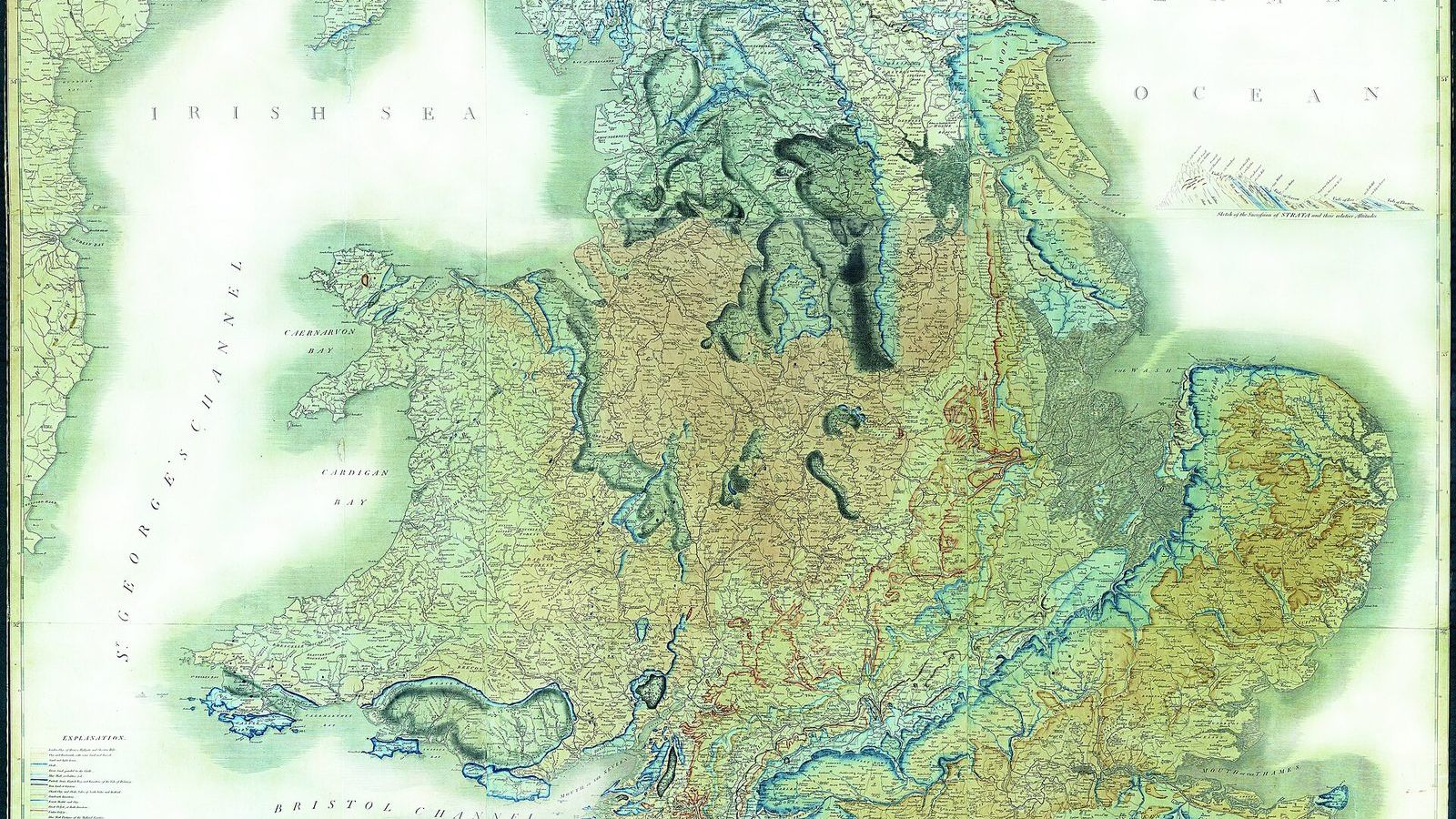
How to read a geological map
A geological map shows the rocks that would be at the surface if the soil were scraped off, and a trained reader can see from it what lies underneath. Here are the contacts, the key, the strike and dip symbols, the rule of V, and a cross-section worked from a real sheet.
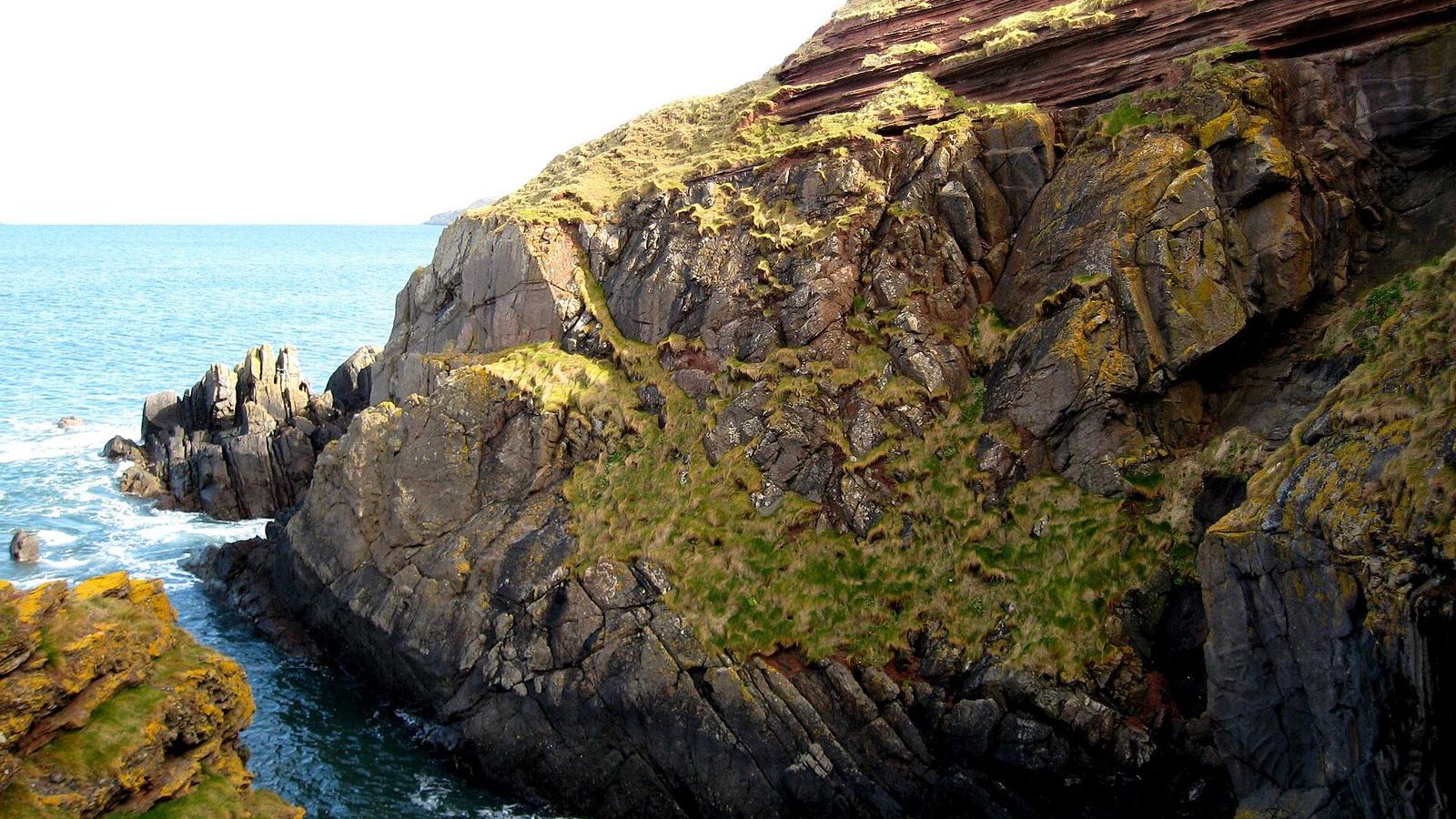
Siccar Point, where Hutton saw deep time
In June 1788 James Hutton sailed along the Berwickshire coast with two friends and found steep grey beds cut off and covered by gently dipping red sandstone. The outcrop showed him that the Earth is far older than anyone then believed.
In the masterclass
The Geologist's Toolkit
Reading an outcrop, a map, and the scale of deep time
Minerals and Crystals
What a mineral is, how atoms build it, and how to identify it
Magma and Igneous Rocks
Why rock melts, how melt cools, and what the crystals record
Metamorphism and the Rock Cycle
What heat and pressure do to a rock that does not melt