
Geology Masterclass Blog
Explanations, background, and advice for curious students.
Latest articles
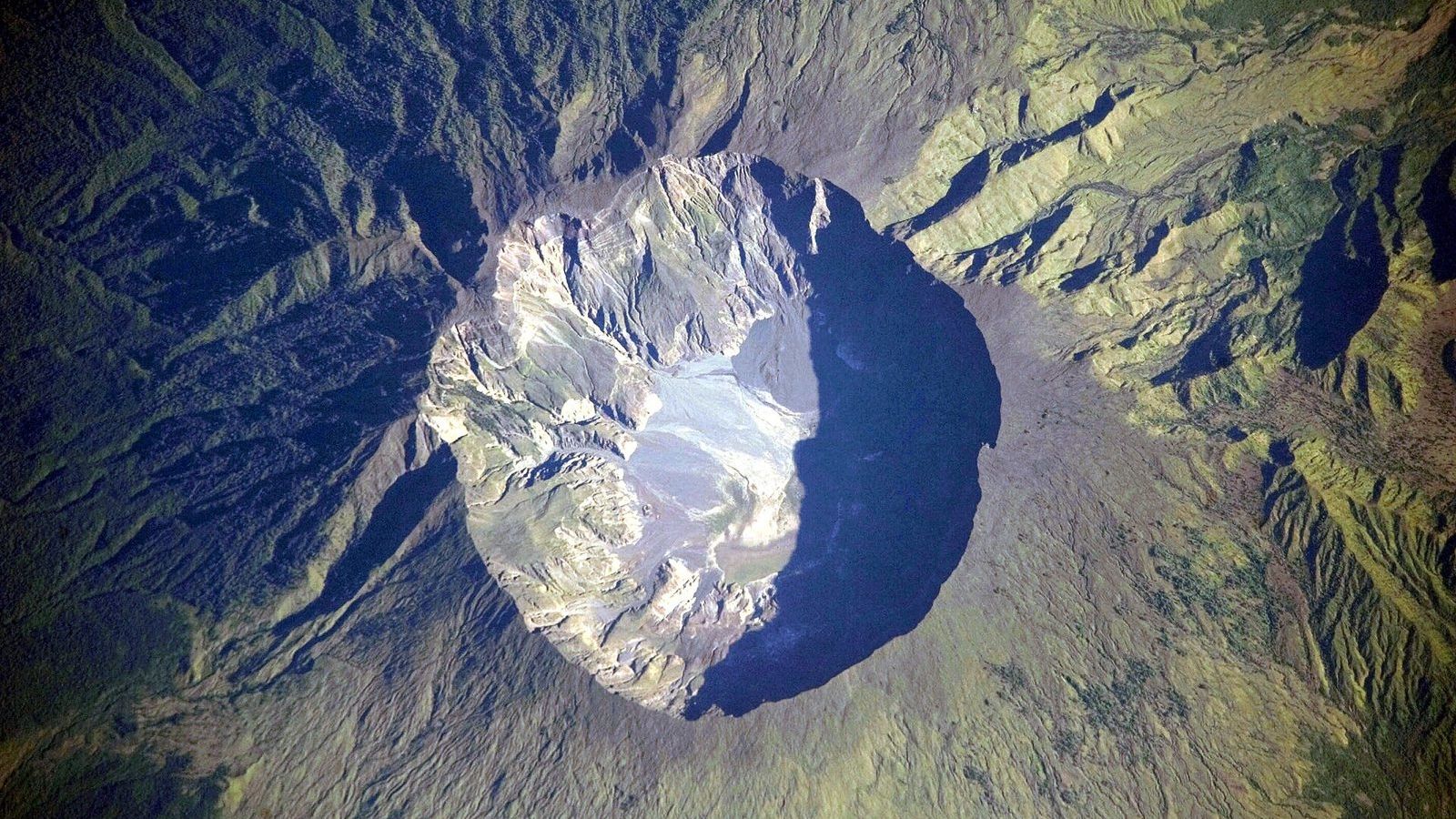
The year without a summer
In April 1815 Tambora, on the island of Sumbawa in Indonesia, blew off the top 1,400 m of its cone in the largest eruption of the last few thousand years. The next year crops failed in New England and Europe. Here is how a volcano cools the planet, and what the satellites measured when Pinatubo did it again in 1991.
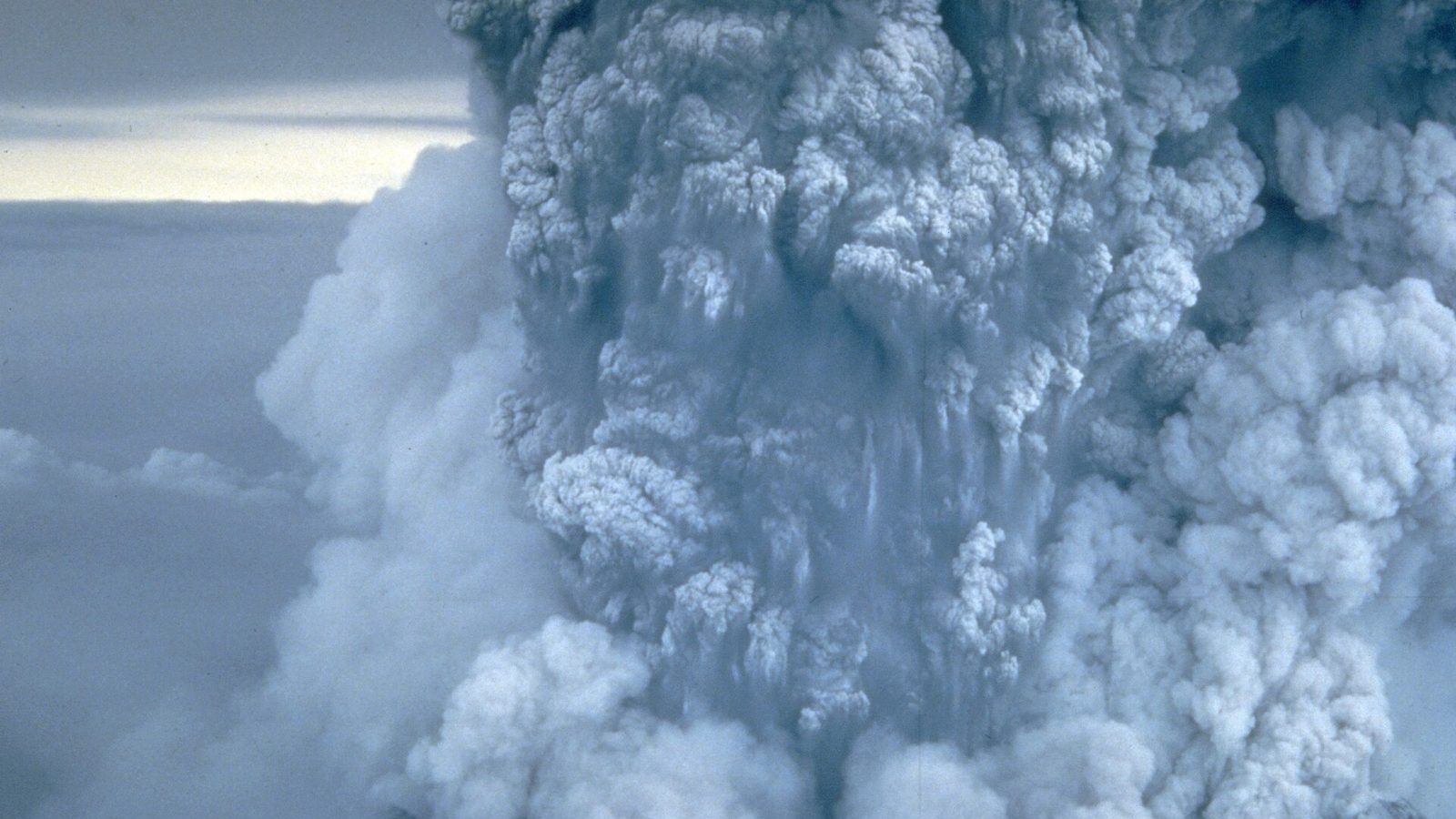
Why Mount St Helens exploded and Kīlauea does not
Two volcanoes, the same planet, opposite behaviour. The difference is the water dissolved in the magma, the silica that makes it stiff, and the physics of a fizzy drink opened too fast.
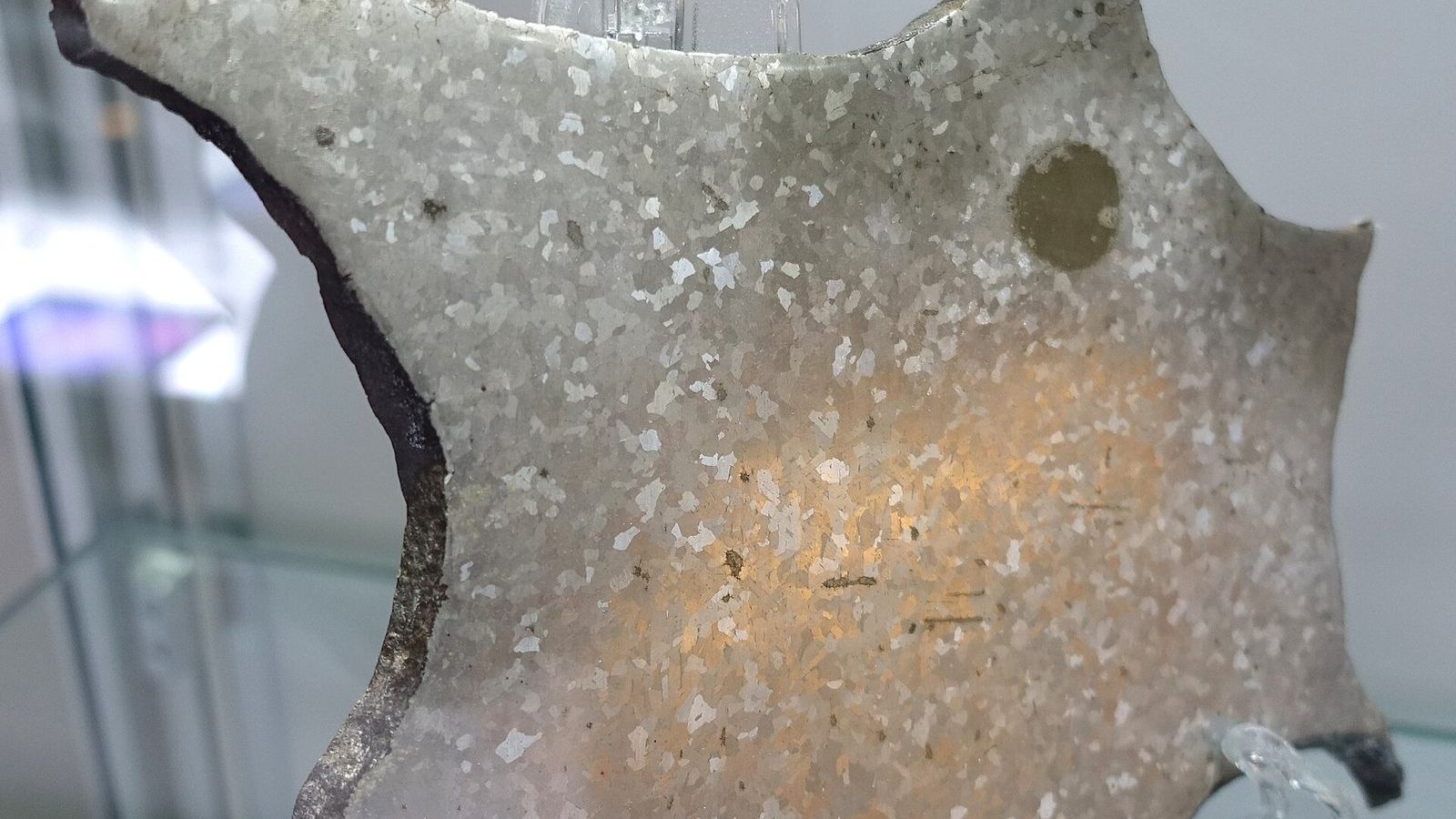
How we know what is at the centre of the Earth
Nobody has been deeper than 12 km, and the centre is 6,371 km down. The core was found by a shadow in the earthquake waves, the inner core by a Danish seismologist who noticed waves that should not have been there, and the recipe comes from meteorites.
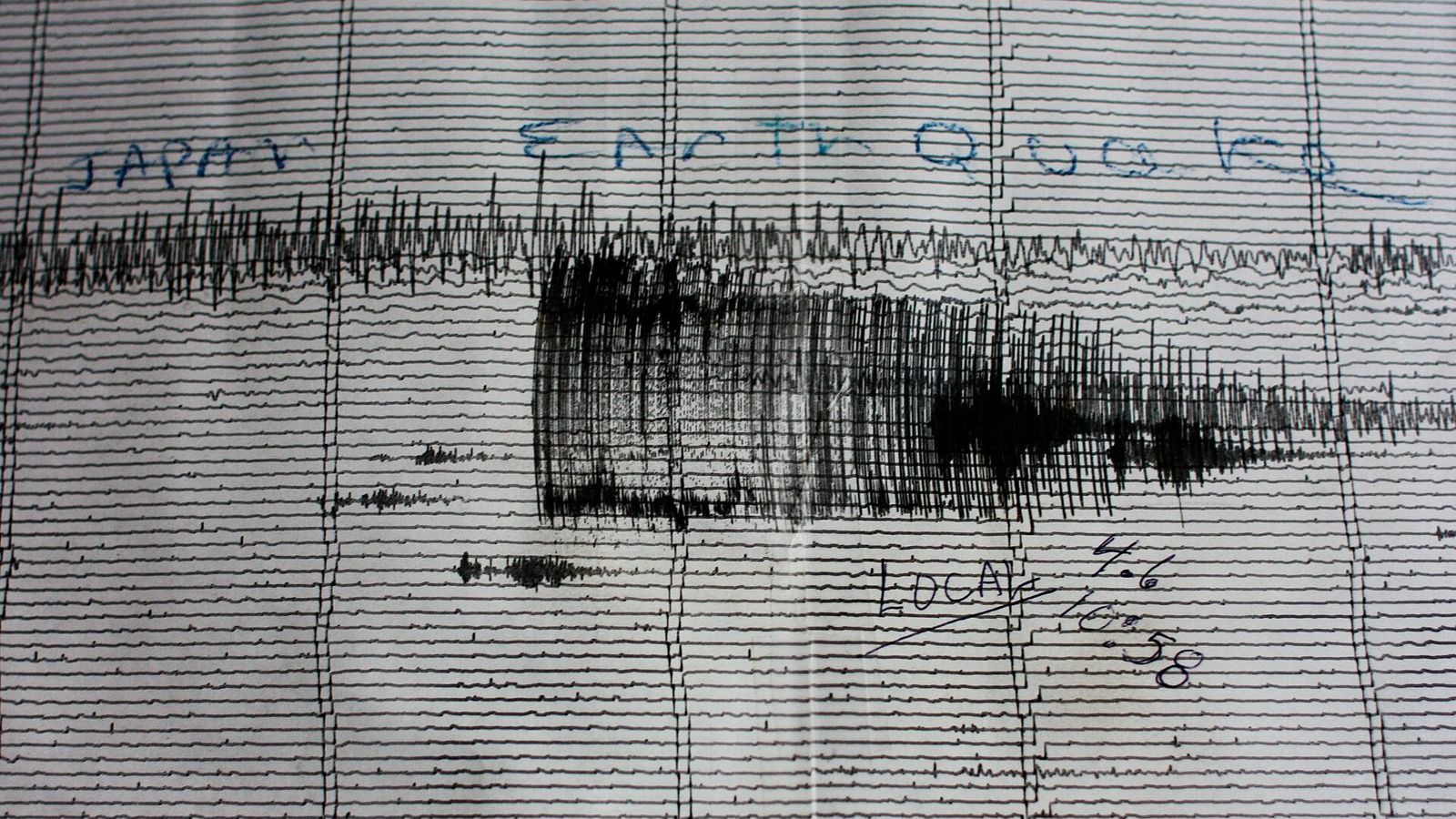
What a magnitude 9 earthquake actually is
Magnitude is a logarithm of the size of the fault slip, and one step up the scale is about 32 times the energy. Here is what the moment magnitude measures, why a 9 is a thousand times a 7, and why Richter's scale was retired.
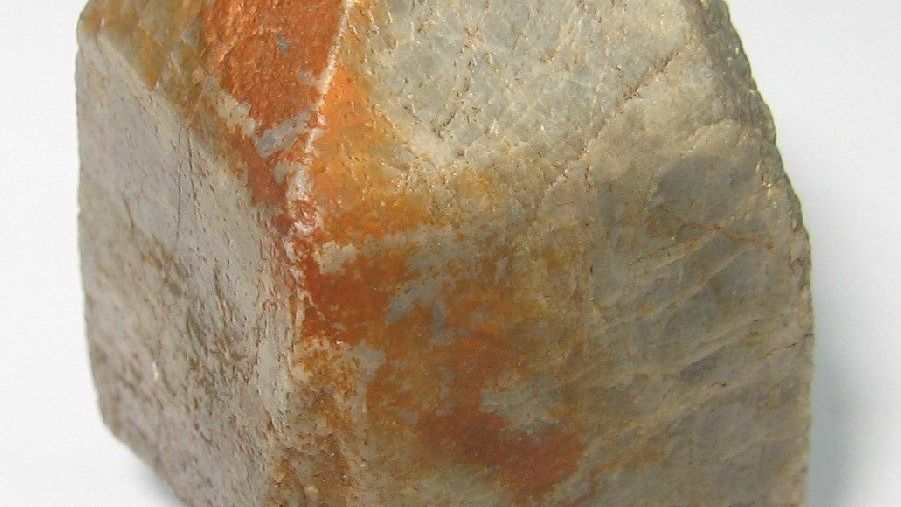
How a zircon crystal tells its age
The age equation in plain words, the two uranium clocks that run inside one grain and check each other, and what a published age of 251.902 ± 0.024 million years actually means.
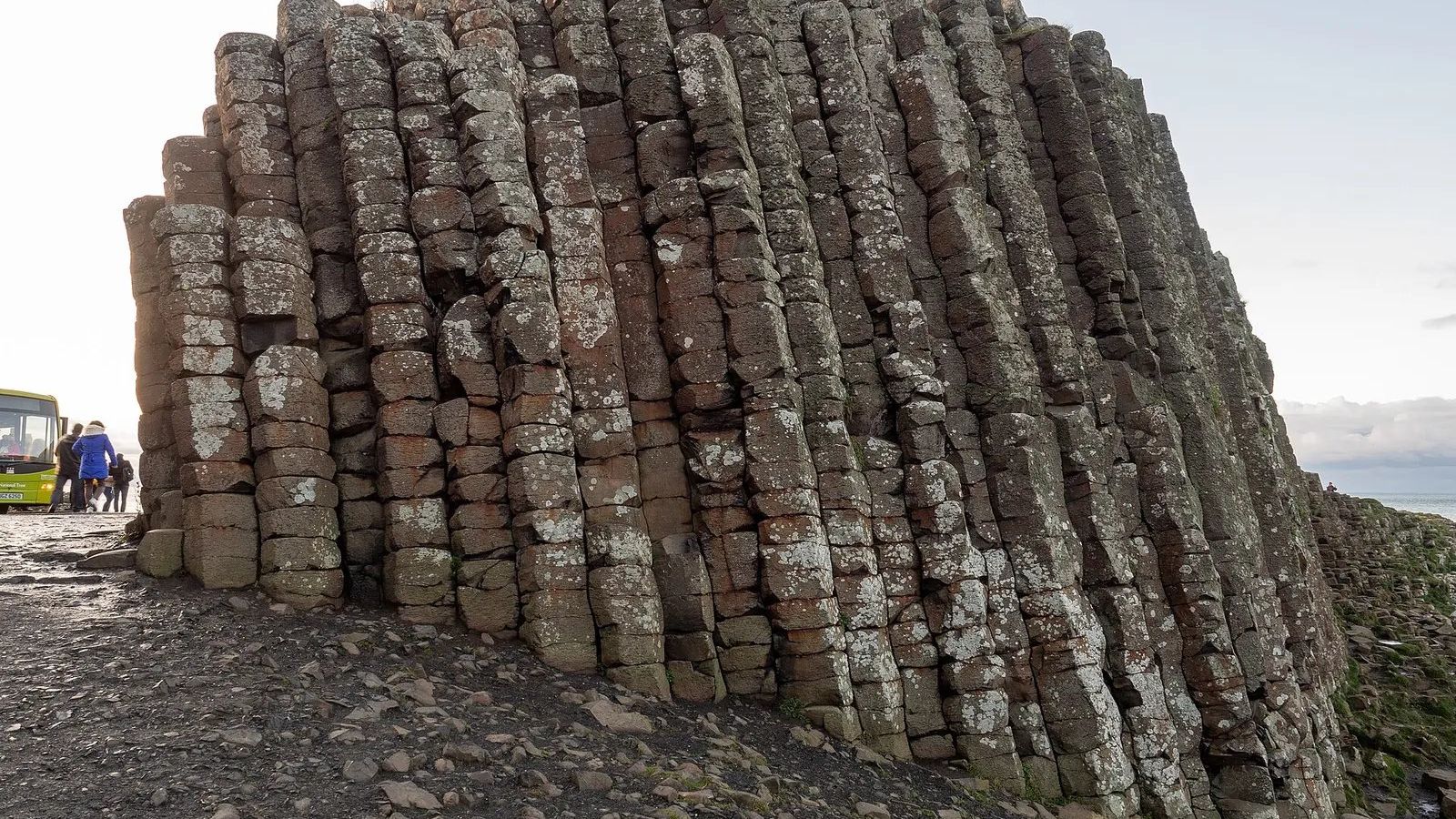
Why basalt is dark and granite is light
The two commonest igneous rocks look nothing alike, and the difference comes down to silica, iron, and a sequence of crystallization that Norman Bowen worked out in a furnace a century ago. One mantle melt can end as both.
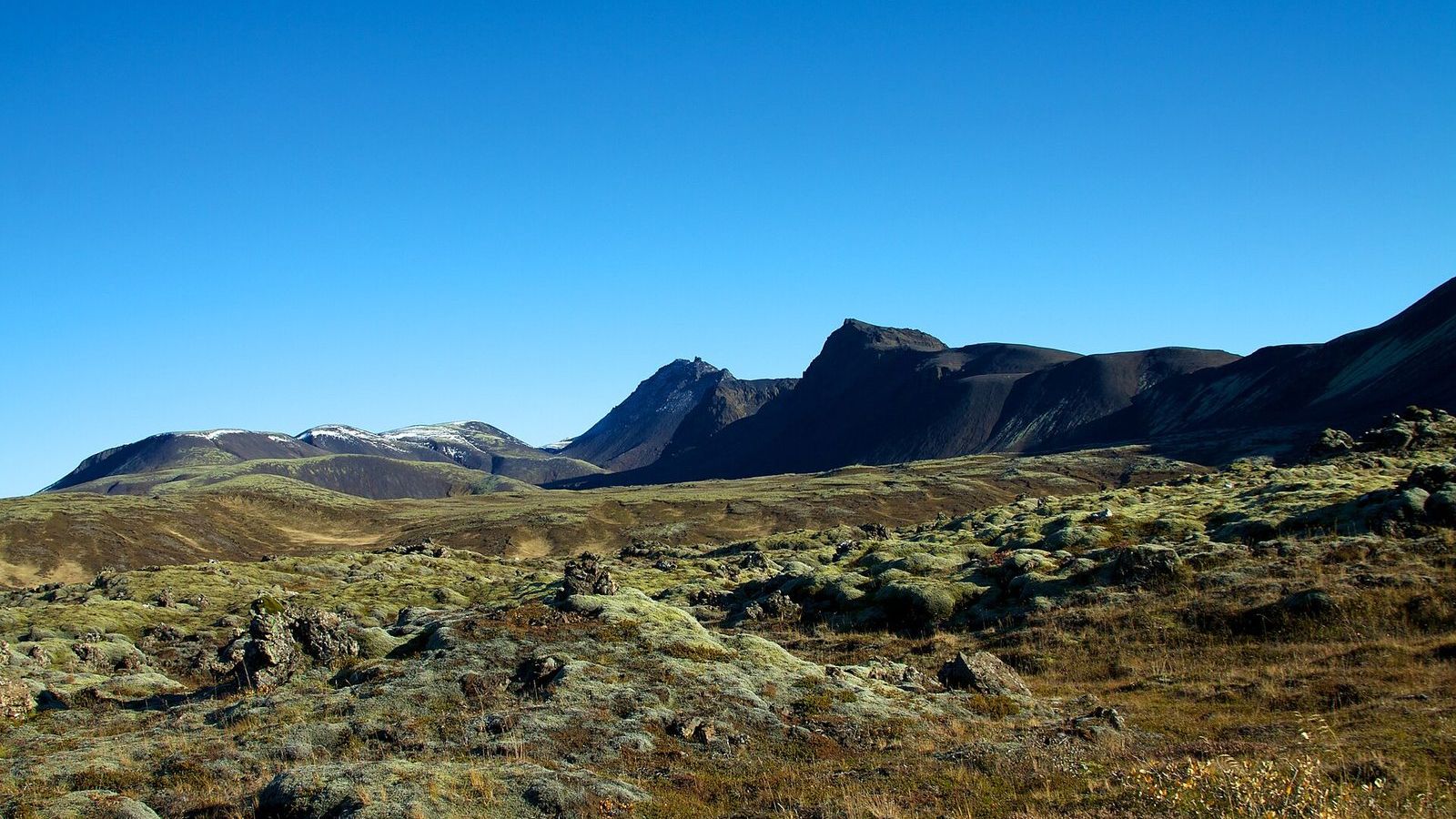
How fast do the continents move?
About as fast as your fingernails grow. Here is how that number was first measured from the magnetic stripes of the sea floor, how GPS now measures it every day, and how to calculate a plate speed yourself from the ages of the Hawaiian islands.
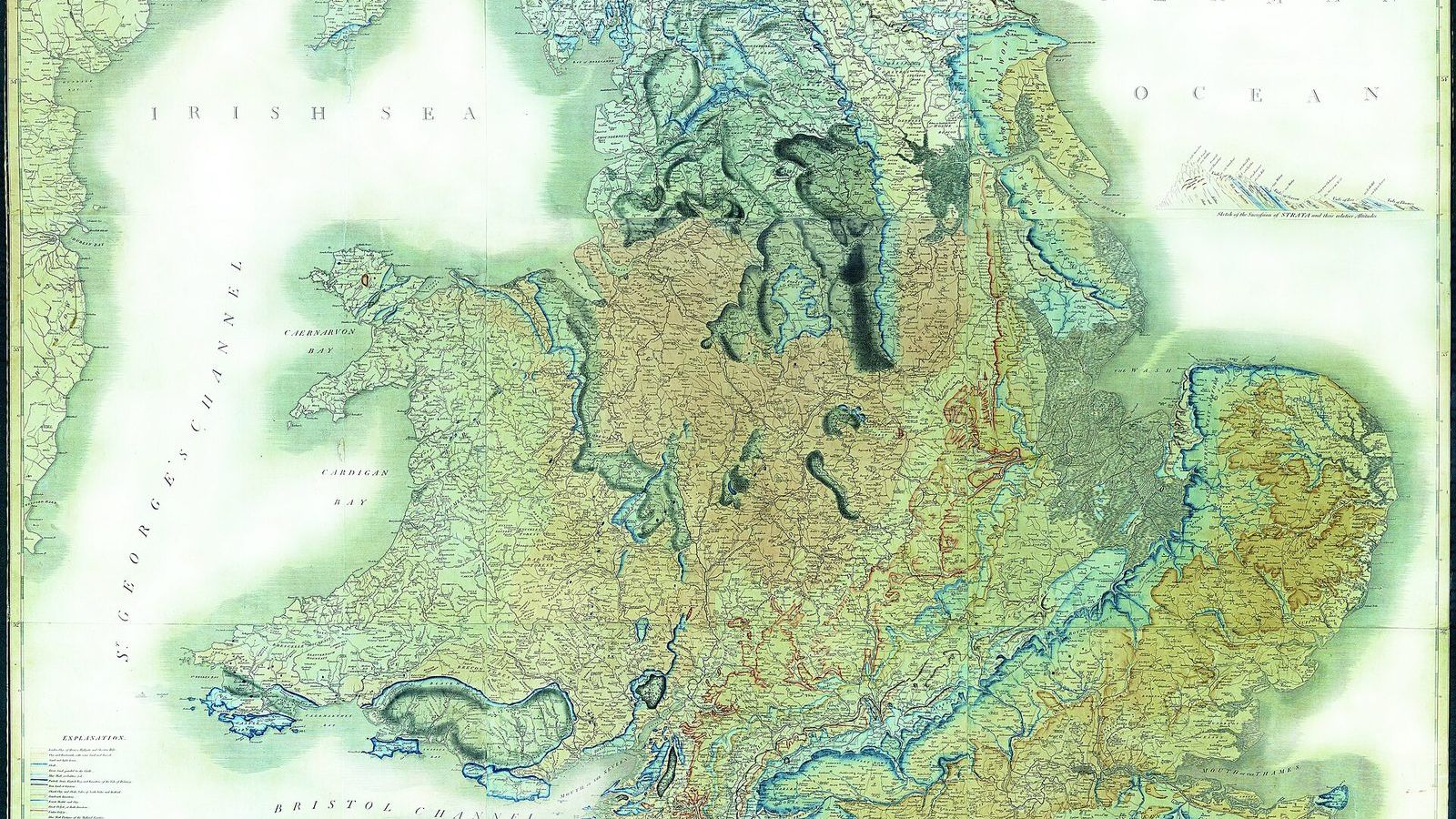
How to read a geological map
A geological map shows the rocks that would be at the surface if the soil were scraped off, and a trained reader can see from it what lies underneath. Here are the contacts, the key, the strike and dip symbols, the rule of V, and a cross-section worked from a real sheet.
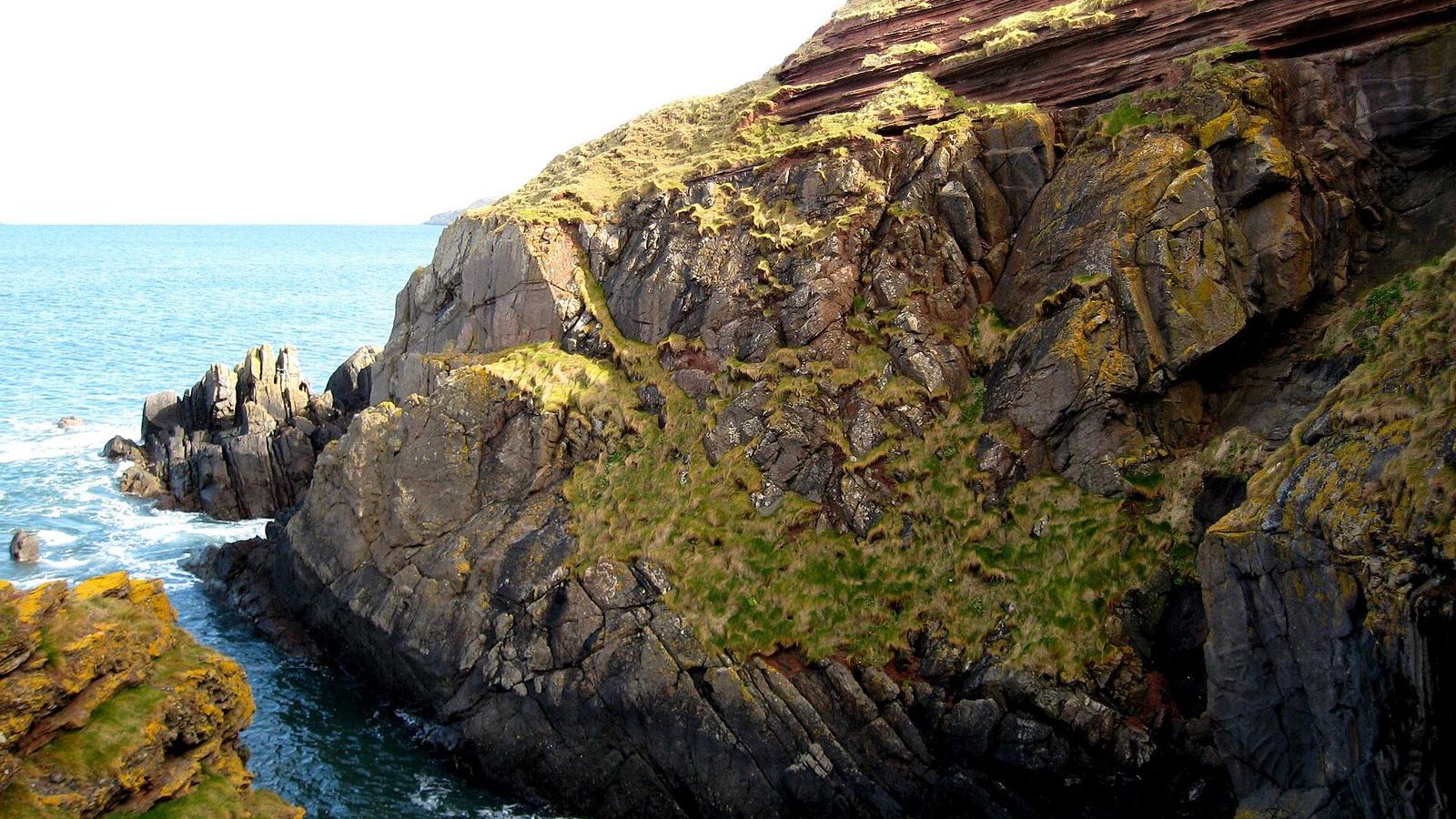
Siccar Point, where Hutton saw deep time
In June 1788 James Hutton sailed along the Berwickshire coast with two friends and found steep grey beds cut off and covered by gently dipping red sandstone. The outcrop showed him that the Earth is far older than anyone then believed.