
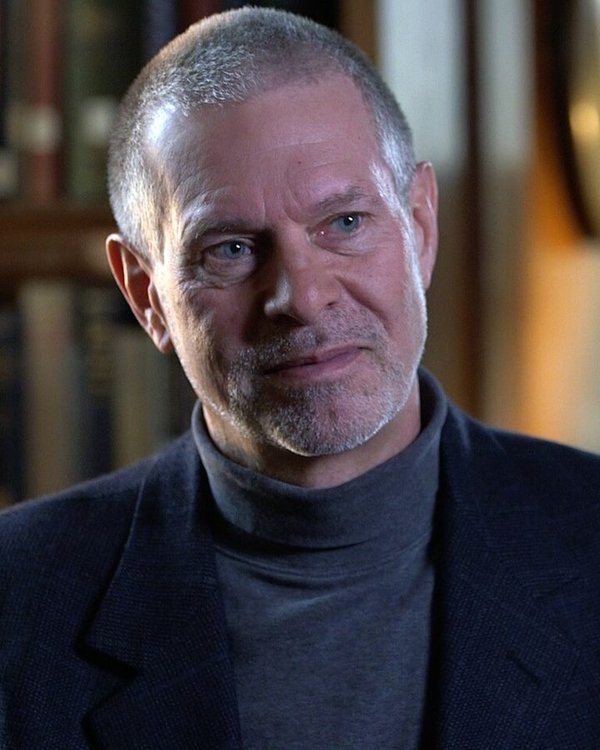
Photo: Deep Carbon Observatory, CC BY-SA 2.0, Wikimedia Commons
Robert M. Hazen
Carnegie Science, Earth and Planets Laboratory
- Research field
- Mineralogy, mineral evolution, and the co-evolution of minerals and life
Robert Hazen and his co-authors asked when each kind of mineral first appeared on the Earth and found that the mineral kingdom grew in stages: about a dozen species in the dust of the early Solar System, about 60 in chondritic meteorites, about 250 in all meteorites, roughly 1,500 on an early Earth with volcanoes, granites, and plate tectonics, and thousands after the rise of oxygen and life. The unit uses this result to explain why the Earth has far more mineral species than the material it formed from.
In the masterclass
Section 5, after the four ways in which minerals form, presents the stages of mineral evolution and the plot of species numbers built from the paper.
The research is presented in Unit 2: Minerals and Crystals, in a research spotlight box that explains the result at the level of the unit and links it to what you have just learned.